How Many Days in the Atacama Desert? (+ Best Time to Go)
This post contains affiliate links. If you book through them I may earn a small commission at no additional cost to you. Thanks for supporting karlieplace.com.
The two questions I get most about the Atacama are how long to go for and when. The honest answer to both is tied to one thing most guides gloss over: the altitude. Here is how to think about trip length, the best time to visit, and how to not spend your first two days with a pounding headache.
The Short Answer: How Many Days in the Atacama Desert?
Five days is a strong introduction. Seven is the sweet spot if you want to go deeper. Five days covers the headline sites (Valle de la Luna, the salt lagoons, the altiplanic lakes) without feeling rushed, which is exactly what I did, and it worked as a great first taste of the region. Seven gives you room to revisit places at better light, build in a rest day, and add the higher excursions, which your body will thank you for at altitude. I treated my trip as a scouting mission and already have a list for when I go back. If you only have three days, you can still see a lot, but you will be rushing the acclimatization, which is where people get into trouble.
How to Pace It
The trick is to stack the low-altitude sites early and save the highest ones for later, once you have adjusted. A rough shape that works:
- Day 1: Arrive in San Pedro (about 2,400m). Do almost nothing. Hydrate, walk the town slowly, sleep.
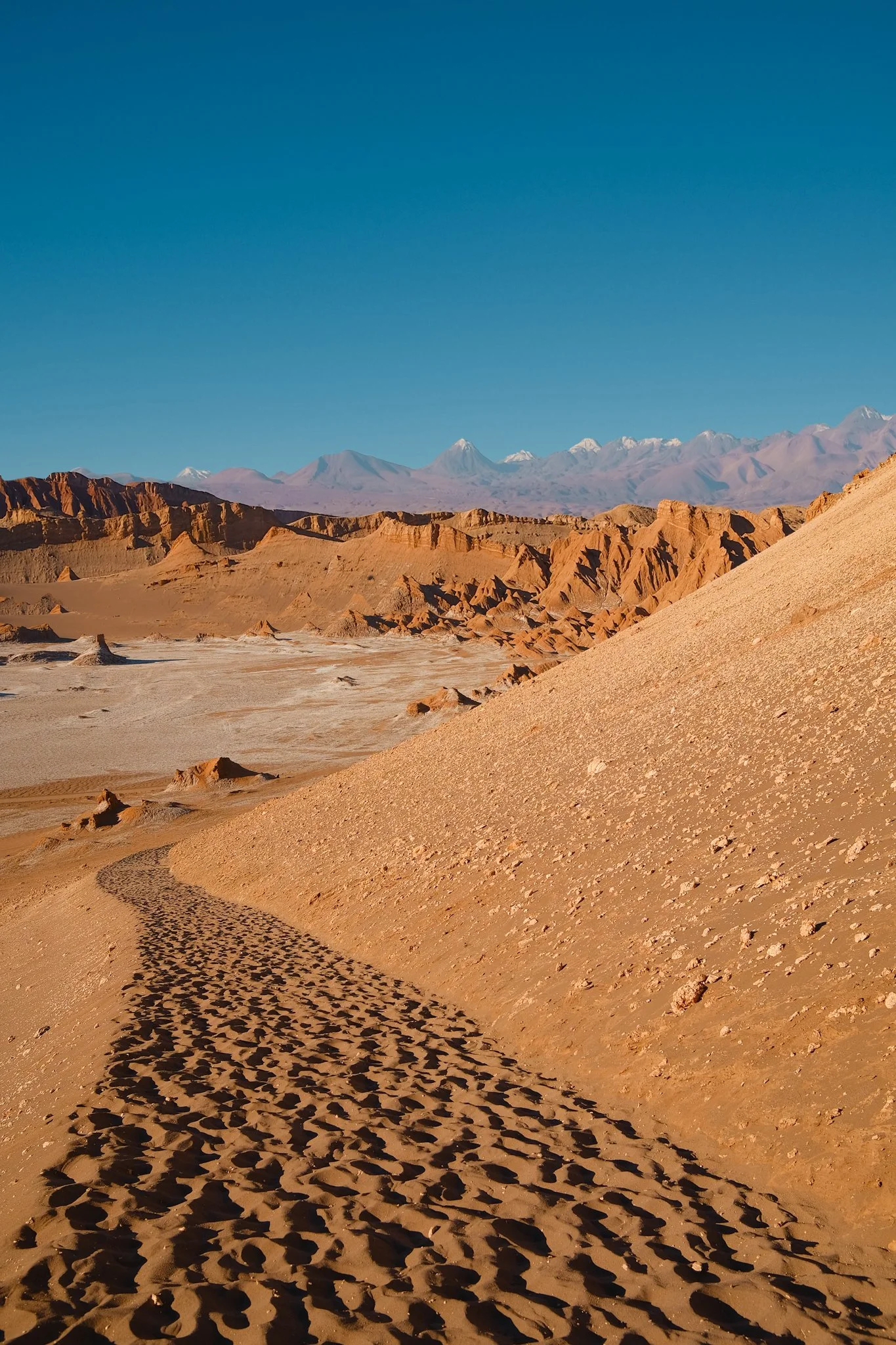
- Days 2 to 3: Lower-altitude sites near town: the Cejar salt lagoons, Valle de la Luna at sunset, a stargazing night.
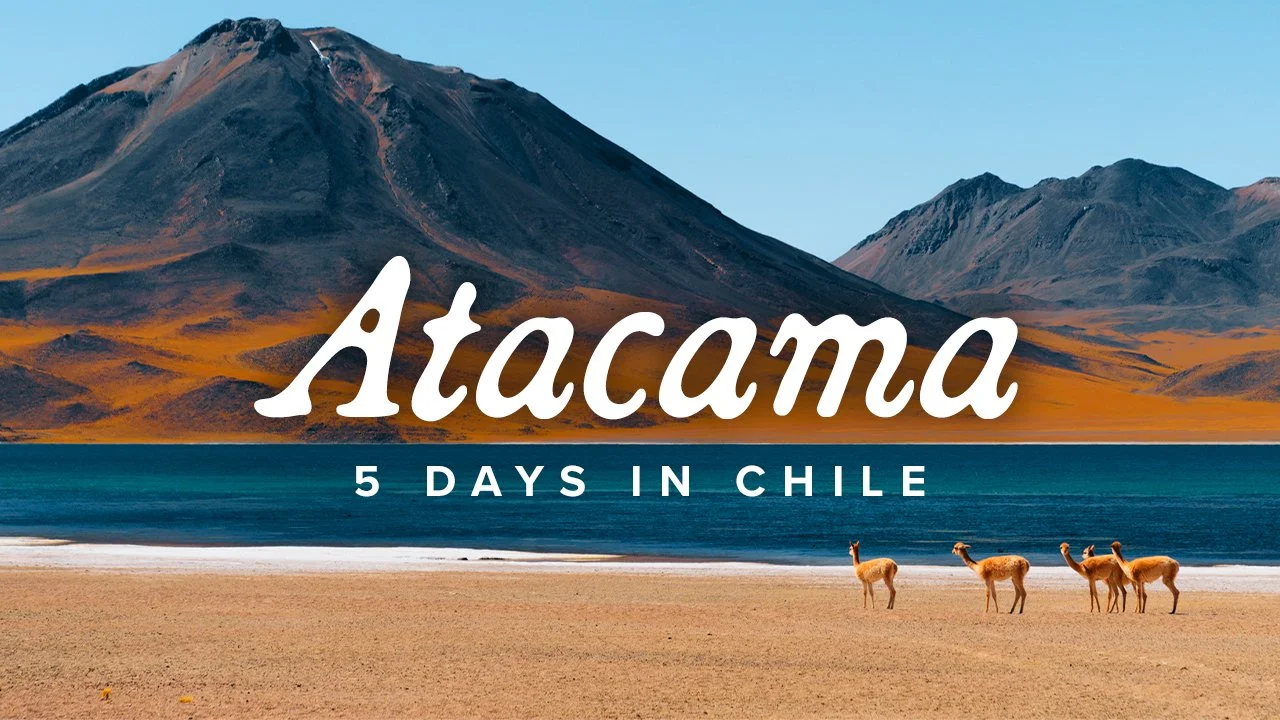
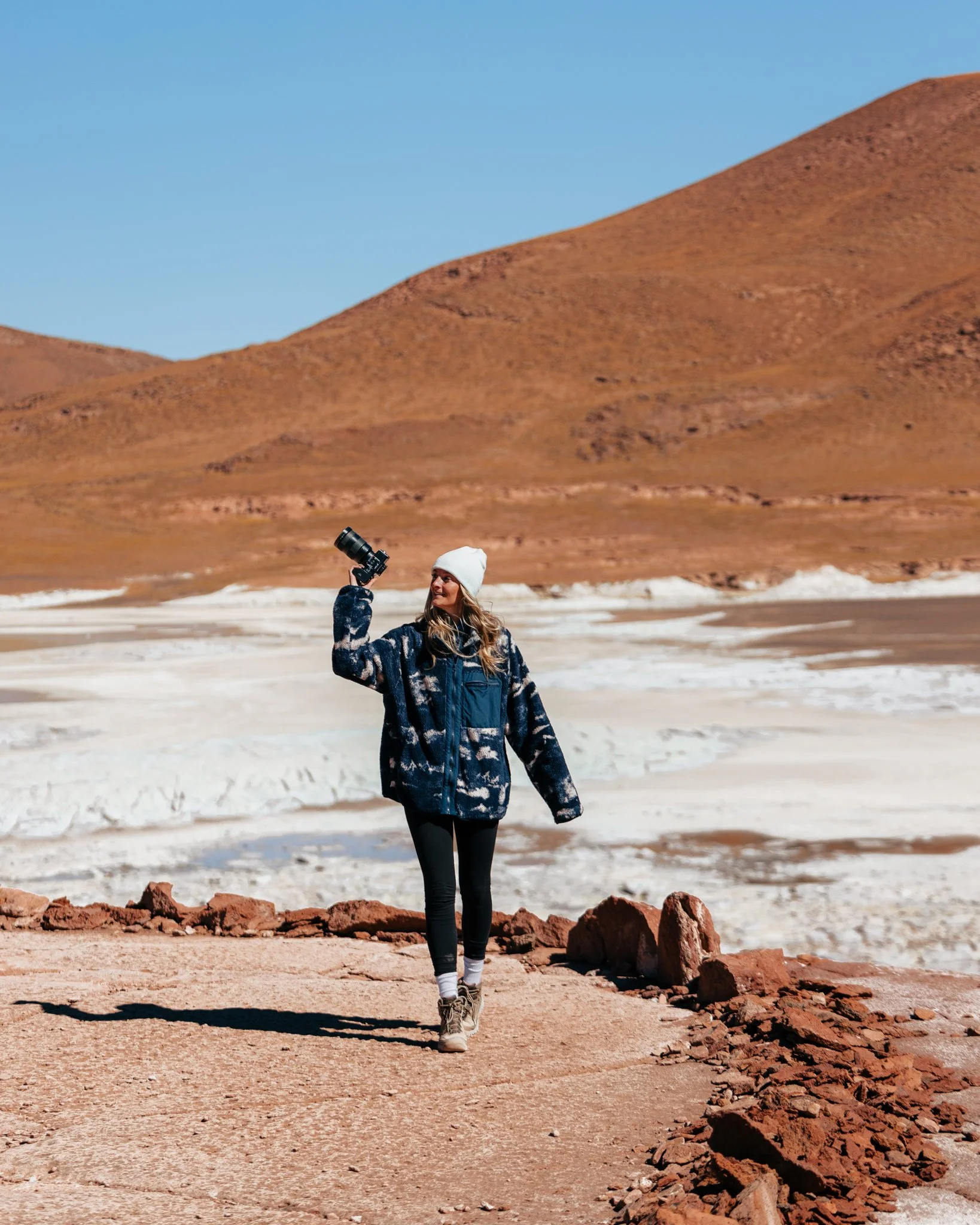
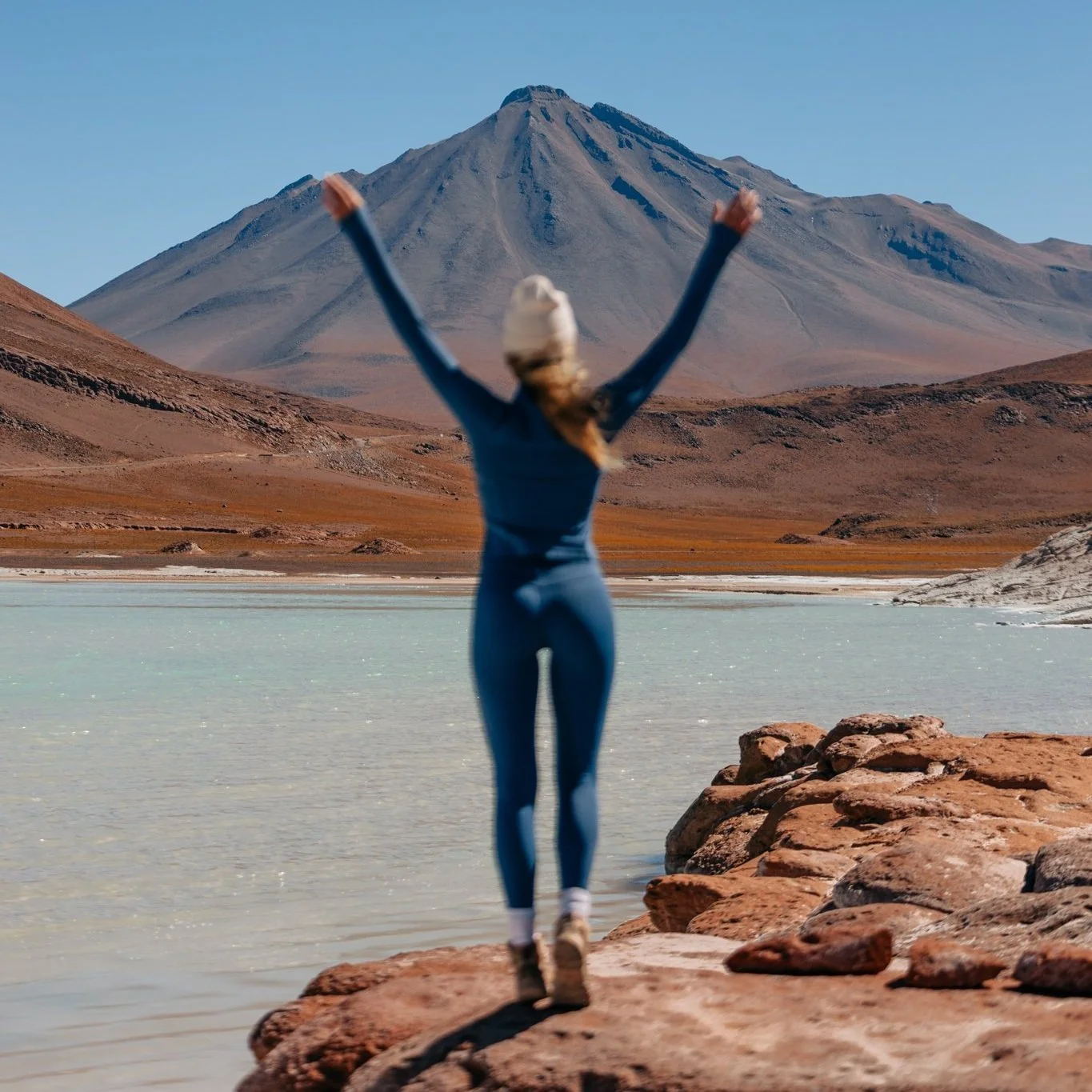
- Days 4 to 5: The higher excursions: Piedras Rojas and the altiplanic lagoons (around 4,000m), then El Tatio geysers at 4,320m.
- Days 6 to 7: Baltinache, anything you want to reshoot, and a slow last day.
For the full day-by-day version of this with distances and tour notes, see my 7-day Atacama itinerary, and for the individual sites, my pick of the best things to do in the Atacama.
The Best Time to Visit the Atacama Desert
March to May is the sweet spot: clear skies, cooler daytime temperatures, and noticeably fewer crowds than peak summer. I went around then and the light was extraordinary. A few things to weigh by season:
- March to May (autumn): my pick. Stable weather, thinner crowds, great stargazing.
- June to August (winter): the clearest skies of the year, but pre-dawn excursions like El Tatio are brutally cold, often well below freezing. If you visit the Atacama in July, pack serious layers.
- December to February (summer): warmest days but the busiest, and the occasional "Bolivian winter" storm can close high-altitude roads.
- Avoid Easter weekend regardless of month. It was genuinely overwhelming when I visited, with the popular viewpoints shoulder to shoulder.
Beating the Altitude (the Part Nobody Plans For)
San Pedro sits at about 2,400m, and the marquee excursions climb a lot higher: the altiplanic lagoons sit around 4,000m and El Tatio is at 4,320m. That is high enough that a meaningful share of visitors feel it, usually as a headache, fatigue, or trouble sleeping in the first day or two. None of this is meant to scare you, it is very manageable, but it is the single biggest reason to give yourself enough days.
What actually helped me:
- Take day one easy. No high excursions the day you land. This is why I based myself somewhere comfortable to come back to, at Cumbres San Pedro de Atacama.
- Hydrate more than feels normal. The air is bone dry and you lose water without noticing.
- Save the 4,000m-plus excursions for days 4 and 5, once you have a couple of nights at base altitude behind you.
- If you add a stargazing night, book it for night 2 or 3, not night one, so you are not exhausted. I did not fit it in and wish I had. These astronomy tours sell out, so reserve ahead.
- Go easy on alcohol the first couple of nights. The welcome pisco sour is great, but pace yourself.
Where you stay matters more than people expect when you are acclimatizing, since you want a calm base for the slow first day and the early starts. I break down the options in my guide to where to stay in San Pedro de Atacama.
A Note on Getting There
You fly into Calama (CJC), about 1.5 hours from San Pedro, usually connecting through Santiago. Build the travel day into your day count, because a late arrival plus the transfer eats most of day one anyway, which lines up nicely with taking it slow. I put almost all of my flights on points, so if you are planning a trip like this, my travel credit card lineup covers how.
Frequently Asked Questions
How many days do you need in the Atacama Desert?
Five days is a solid minimum to see the main sites without rushing. Seven is ideal, giving you a rest day, better light, and a stargazing night. Three days is doable but rushes your altitude acclimatization.
What is the best time to visit the Atacama Desert?
March to May offers the best balance of clear skies, cooler temperatures, and thinner crowds. Winter (June to August) has the clearest skies but very cold pre-dawn excursions. Avoid Easter weekend, which is extremely busy.
Is altitude sickness a problem in the Atacama?
It can be. San Pedro is at about 2,400m and excursions reach 4,320m, so a fair number of visitors feel mild symptoms in the first day or two. Take your arrival day easy, hydrate, and save the highest excursions for later in the trip.
Can you visit the Atacama in 3 days?
Yes, but it is tight. You can hit the headliners like Valle de la Luna, the Cejar lagoons, and El Tatio, but you will have little margin for rest or weather, and you will be ascending to high altitude quickly. If you can stretch to five, do.