Ford Bronco Sport Rooftop Tent Setup: My Full Camping Build (TrailRax + Pegasus)
This post contains affiliate links. Booking through my links supports this blog at no extra cost to you.
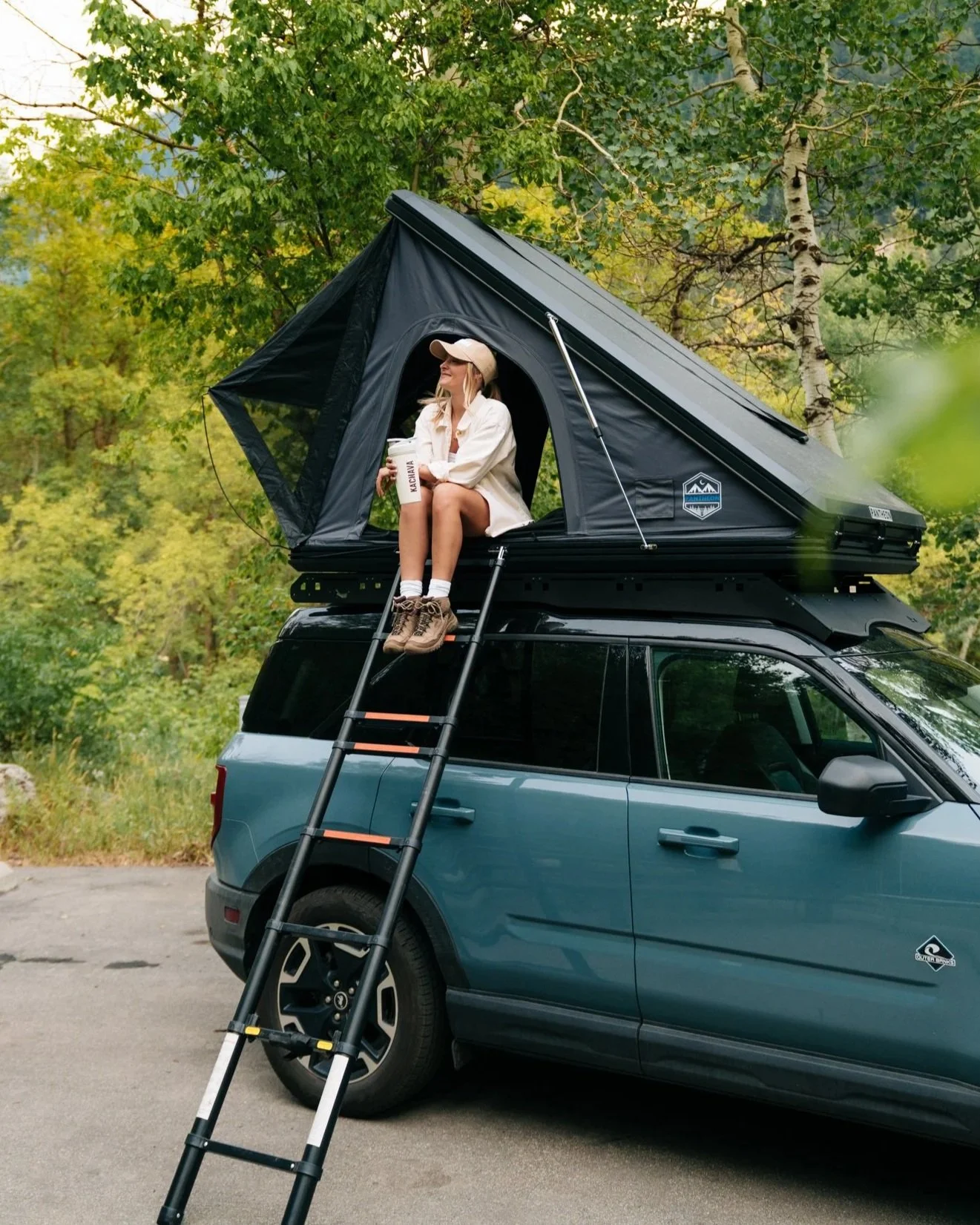
If you've been Googling "Bronco Sport rooftop tent setup" for the last three weeks, opening 47 tabs, and still not feeling sure what you actually need to buy — I have been you. I built this rig from the ground up on my 2022 Ford Bronco Sport Outerbanks, and I wish someone had handed me a single, honest gear list before I started. So that's what this post is. The exact rack, the exact tent, the exact light bar, the exact wiring harness, and the things I would have skipped if I'd known better. No fluff, no sponsored hype — just the components that turned my Bronco Sport into a rig I actually trust to sleep in.
I'll walk through every piece of the build in the order I had to figure it out, because that order matters: the rack has to come before the tent, the wiring has to be planned before the lights, and the load math has to come before any of it. If you're a solo overlander (especially a solo woman, like me), there's a section near the end specifically for you.
Why I Put a Rooftop Tent on My Bronco Sport (Instead of Buying a Bigger Truck)
The Bronco Sport gets dismissed in overlanding circles because it's a unibody crossover, not a body-on-frame truck. But for the kind of camping I actually do — weekend trips, dispersed BLM nights, fall-color road trips through Utah — it is genuinely the perfect platform. It's small enough to thread through tighter forest service roads, it gets reasonable fuel economy on long highway days, and the Outerbanks trim has just enough ground clearance for unmaintained dirt without scraping every other mile.
The rooftop tent solves the one thing the Bronco Sport doesn't do natively: sleep two people comfortably without surrendering the entire cargo area. With a clamshell tent on the roof, my back seat and trunk stay open for gear, food, water, and camera kit. That single decision is what made the whole build worth it.
The Roof Rack: Why TrailRax Was the Only Real Option
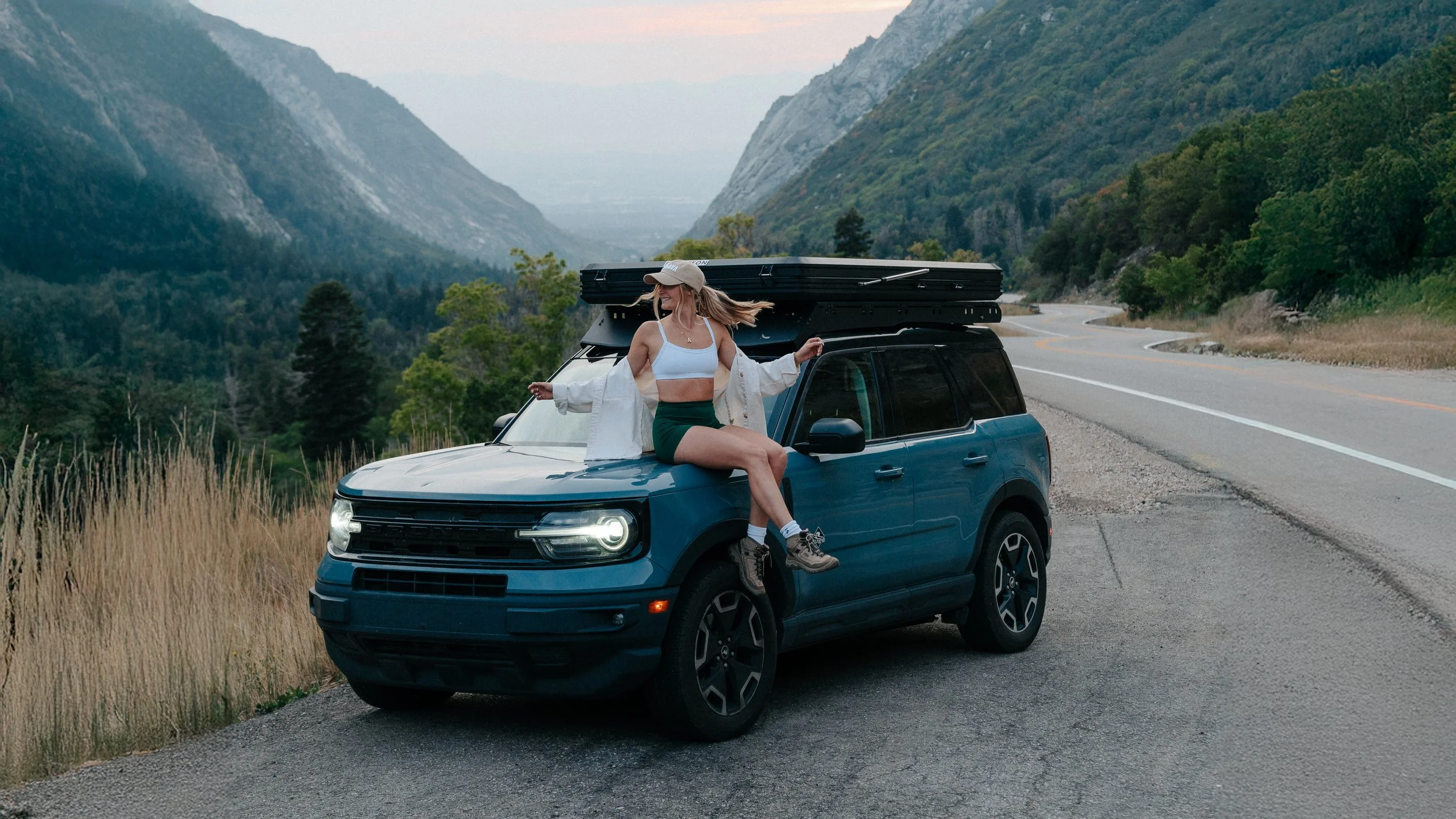
You cannot mount a rooftop tent to the factory crossbars on a Bronco Sport. I tried to convince myself otherwise for about a week of research, and every credible source said the same thing: you need a purpose-built aftermarket rack. The one that kept coming up — and the one I ultimately bought — was the TrailRax Modular Roof Rack, designed specifically for the Bronco Sport.
What sold me on TrailRax over the generic crossbar systems was three things. First, it's modular — meaning the rack itself is the skeleton, and you bolt accessories (light bar mounts, awning brackets, etc.) onto it without ever touching the structural integrity of the platform. Second, it's built for the load: rooftop tent plus body weight plus gear is not a trivial number, and TrailRax is engineered around that math. Third, if you're in Utah, they have a physical shop with mechanics who will actually plan and install your build with you. I was not about to torque a roof rack onto my own car based on a YouTube tutorial.
I specifically ordered the version of the rack with a light bar cutout pre-machined. If you know you eventually want lights, get the cutout from day one — retrofitting later is a pain.
The Lighting Build: Wiring, Mount & Baja Designs S8
The lighting build is three pieces that have to work together: the harness, the mount, and the bar itself. Get any one of them wrong and the whole thing is decorative.
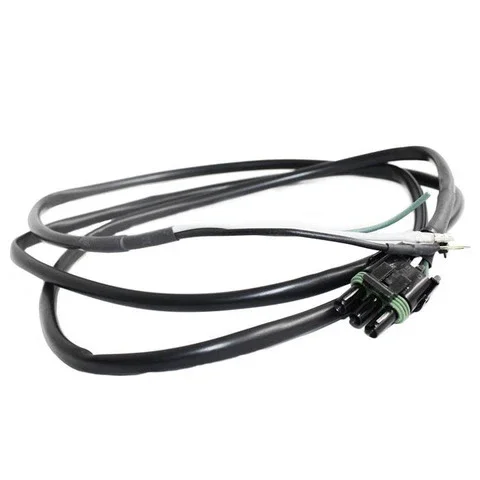
The TrailRax Baja Designs OnX6/S8 Upfitter Wiring Harness is the least sexy piece, and the one that makes everything else work. Without it, your light bar is a black metal bar bolted to your rack, doing nothing. The harness ties into the Bronco Sport's electrical system cleanly without you having to hack anything. If you've never wired aftermarket lights into a modern car, do yourself a favor and let a shop do the install — modern vehicles have CAN bus systems that need to be respected, and a clean factory-style wire run is worth every dollar.
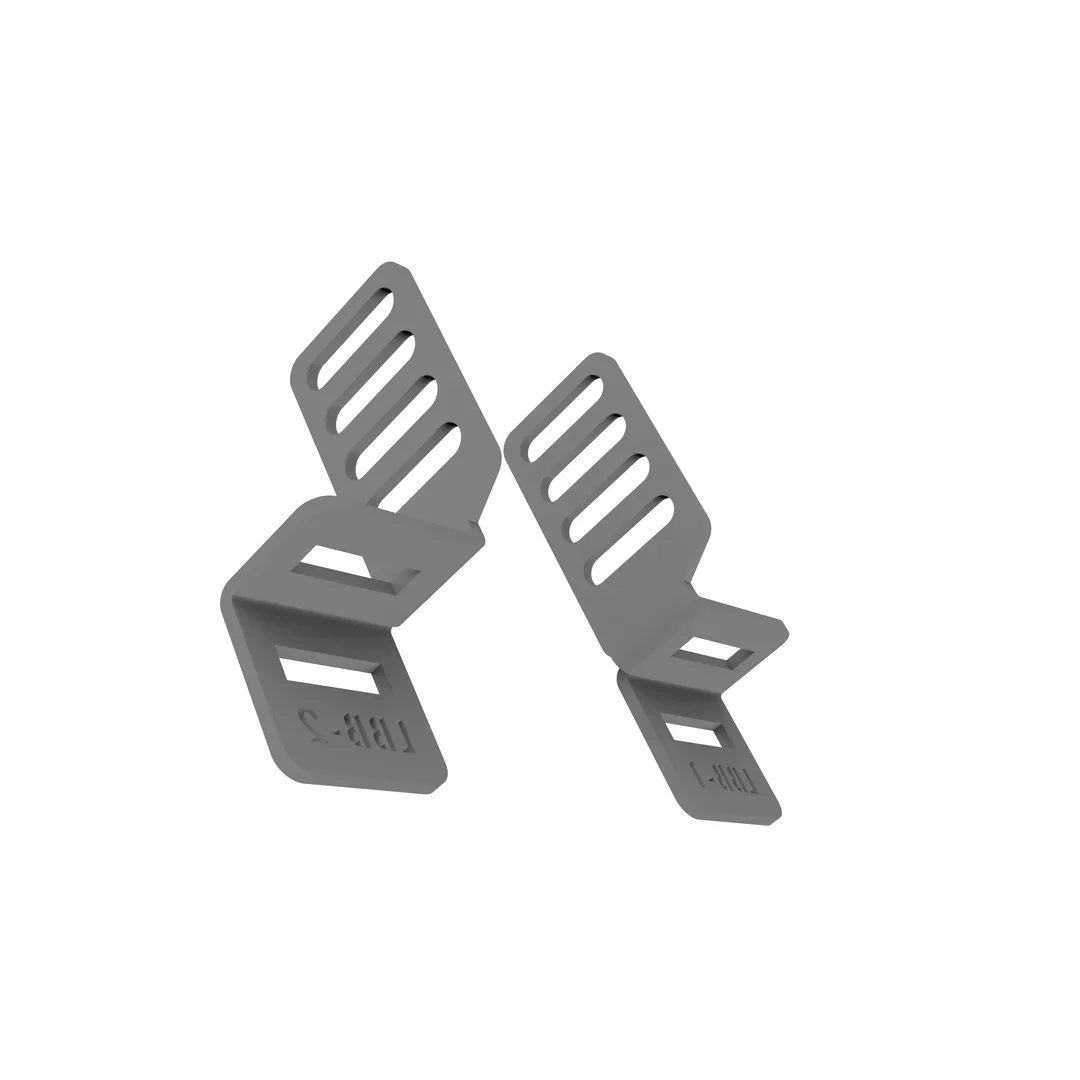
The TrailRax Light Bar Mount in black powder coat bolts directly into the rack's pre-machined cutout and takes about ten minutes. Aesthetically I wanted everything on the roof to be the same matte black — rack, mount, light bar, tent — so the whole rig reads as one cohesive piece instead of a Frankenstein of mismatched accessories.
The bar itself is the Baja Designs S8 40" Driving/Combo LED Light Bar, and it earns its keep every single time I roll into camp after dark. The S8 is a true driving/combo pattern — long throw down the trail with a wide spill on the sides — so I can see deer, branches, and washouts at distance and still pick out details right next to the truck. If you're going to spend money on one electrical accessory for an overlanding rig, the light bar is the one that pays for itself the first time you avoid hitting something at 9pm on a forest service road.
The Tent: Why I Chose the Pegasus Aluminum Clamshell from Pantheon

This was the part I agonized over the most. There are roughly nine billion rooftop tents on the market, and they all claim to be the best one. After comparing setups for weeks, I went with the Pegasus Aluminum Clamshell Tent from Pantheon Adventure, and three months in I do not regret it.
Here's exactly what it has, because the spec sheet is genuinely what matters when you're sleeping in something on top of your car:
- Aluminum clamshell hardshell. Pops open in under a minute. Closes almost as fast.
- Built-in crossbars and LED interior lighting. So I can mount accessories on top of the tent itself, and so I'm not fumbling with a headlamp at 2am looking for my water bottle.
- 280g Rip Stop canvas. The fabric is rated for real weather. I've slept through wind that I would not have wanted to ride out in a soft-shell tent.
- High-density mattress with a removable, quilted cover. The mattress is genuinely comfortable. The removable cover means I can wash it.
- Interior storage pockets and a shoe bag. Small thing, huge quality-of-life upgrade. Boots stay outside the sleeping space.
- Anti-condensation mat. If you've ever woken up in a rooftop tent with the underside of the mattress soaked, you know why this matters.
- Telescoping ladder, base plate, and mounting rails — all in matching black. The clean aesthetic was, lowkey, the number one thing I cared about visually, and Pantheon nailed it.
The biggest pitch for the Pegasus over a soft-shell tent is setup speed. Sub-60-second deployment when I pull into camp at 9pm in the dark, exhausted, was a non-negotiable for me. A soft-shell tent that takes 15 minutes to set up is a tent I will resent every single time.
Roof Load Math: Don't Skip the Numbers
The single most-asked question in my DMs is some version of "can a Bronco Sport actually hold a rooftop tent?" Yes, but only if you do the math.
The 2022 Ford Bronco Sport Outerbanks has a dynamic roof load rating of 150 lbs (while driving) and a static roof load rating of 661 lbs (when parked). The dynamic number is the one that matters when you're rolling down the freeway with the tent on top, because that's the load the roof is rated to handle in motion.
Most aluminum clamshell rooftop tents weigh between 100 and 130 lbs. The Pegasus falls in that range. That gives me 20 to 50 lbs of headroom for the rack itself plus the mounted light bar plus any accessories I add up there. Once I'm parked and asleep, the static rating (661 lbs) handles me, my partner, the mattress, our gear inside the tent, and a comfortable margin.
The thing the spec sheets do not tell you — but that I want to be honest about — is that pairing a quality rack like TrailRax matters because it distributes the load across the proper roof mounting points instead of point-loading the factory rails. A cheaper rack with a heavier tent on factory crossbars is how roofs get warped. Don't be that person.
The Solo Female Overlander Take
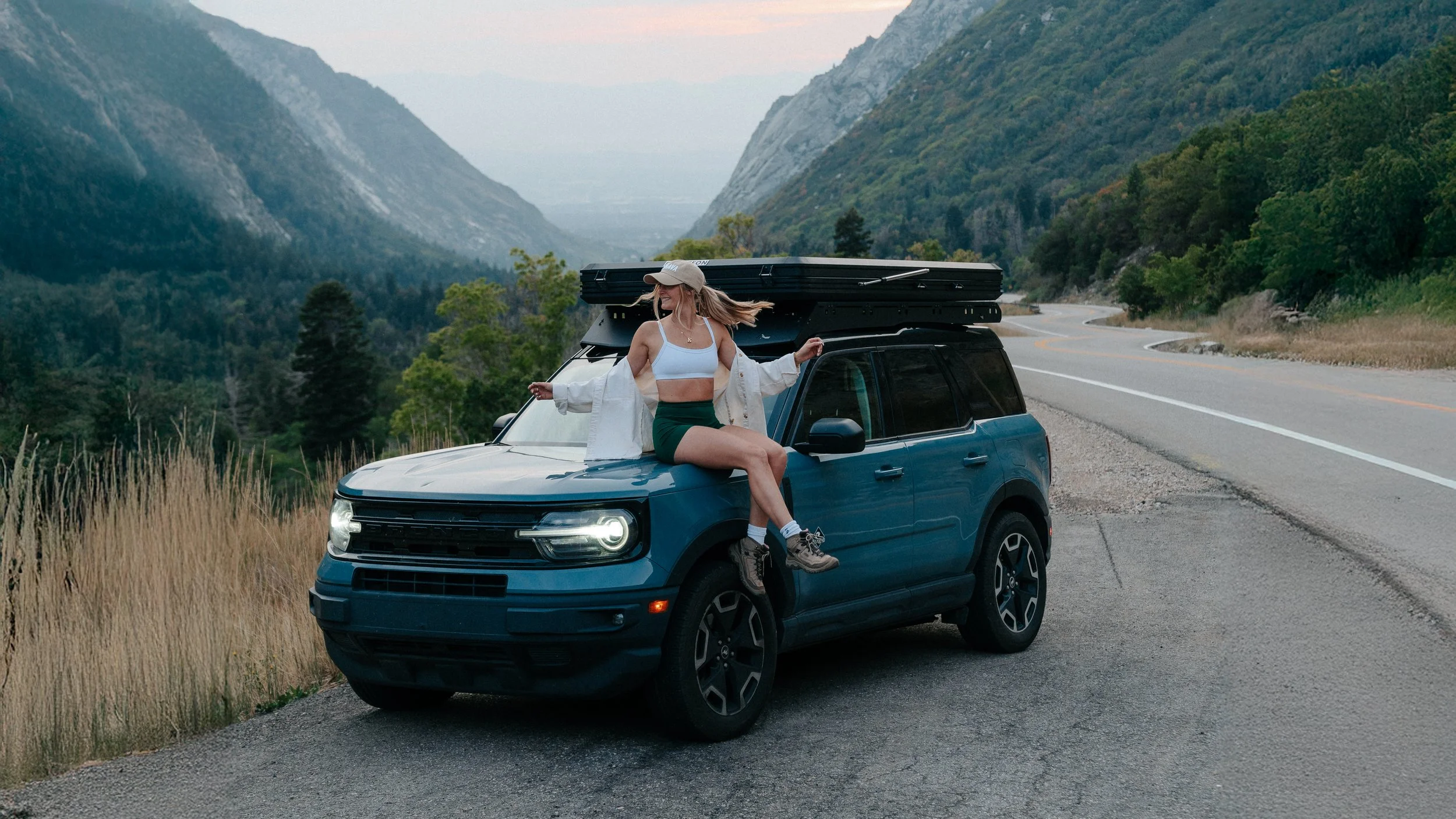
When I was building this out, basically every guide I found was written by a guy. The information was useful, but the questions I actually had — how heavy is this thing to set up alone, can I climb up to it in the dark, can I break camp without a partner — were not the questions any of those guides were answering.
So if you are a woman considering this same build, or any solo overlander wondering if it works without a crew: yes. The Pegasus opens in under a minute, which is the dealbreaker spec for solo setup. The TrailRax rack is bolted down so solidly that I never second-guess the security of the mount when I'm parked alone in a remote dispersed campsite. The Baja Designs light bar means I am never fumbling around in the dark when I roll into a trailhead at 10pm. You don't need a team. You don't need a truck. A Bronco Sport and the right gear is genuinely enough.
Where I Actually Take This Rig
The honest answer: Utah in the fall. The Bronco Sport with this exact setup is what I drive for my fall-color road trips, dispersed nights along forest service roads, and sunrise wakeups at the kind of overlooks you can only reach with a small enough vehicle to get there. If you want to see this rig in its natural habitat, my 7 breathtaking spots for autumn in Utah post is essentially the field test report for this entire build.
Beyond Utah, I've used it for shorter weekend trips in the Mountain West, late-season national forest stays, and trailhead sleeping for early-morning hikes. It is not the rig for a month-long expedition or for hardcore rock crawling — that's not the Bronco Sport's job — but for the way most of us actually camp, it is genuinely the right tool.
The Complete Bronco Sport Camping Gear List + Final Take
Everything I've actually mounted, used, and trusted on this build lives in my full ShopMy gear collection. The camera bag is in there too, plus the camping additions I've added over time. If you want to copy this build directly, that's the fastest way:
For the full installation walkthrough — the original "everything I installed" post with the unboxing, install order, and a few moments of me genuinely not knowing what I was doing — head over to my Ford Bronco Sport Outerbanks Rooftop Tent Setup: Everything I Installed deep-dive. And if you want a broader look at the rest of my travel and camping kit — cameras, packing cubes, backpacks, the whole list — my complete gear list is here.
Final take: if you already own a Bronco Sport, 100% yes — build it out. The build cost was meaningful, but it was a fraction of buying a different vehicle, and the rig does what I actually need it to do. If you're shopping for a vehicle and overlanding is the goal, the Bronco Sport is a real option, not a compromise. Pair it with a TrailRax rack, a clamshell tent that opens in under a minute, a real light bar wired in cleanly, and the load math kept honest, and you have a setup that punches well above its size class.
The rig is parked in my driveway right now, fully built, ready for the next trip. That is the only review of an overlanding setup that actually matters: do you keep using it. I do.
This post contains affiliate links. Booking through my links supports this blog at no extra cost to you.