9 Best Things to Do in the Atacama Desert (+ What to Skip)
This post contains affiliate links. If you book or buy through them I may earn a small commission at no additional cost to you. Thanks for supporting karlieplace.com.
The Atacama is the rare place where the highlight reel is actually accurate. I shot most of these across my trip through northern Chile, and I am flagging the two I did not get to this time, so this is the honest, photographer's version: where to go, when the light is best, where the crowds will test your patience, the one stop you can skip, and the two I would prioritize if I went back. For the full day-by-day, see my 7-day Atacama itinerary, and for where to base yourself, my guide to where to stay in San Pedro de Atacama.
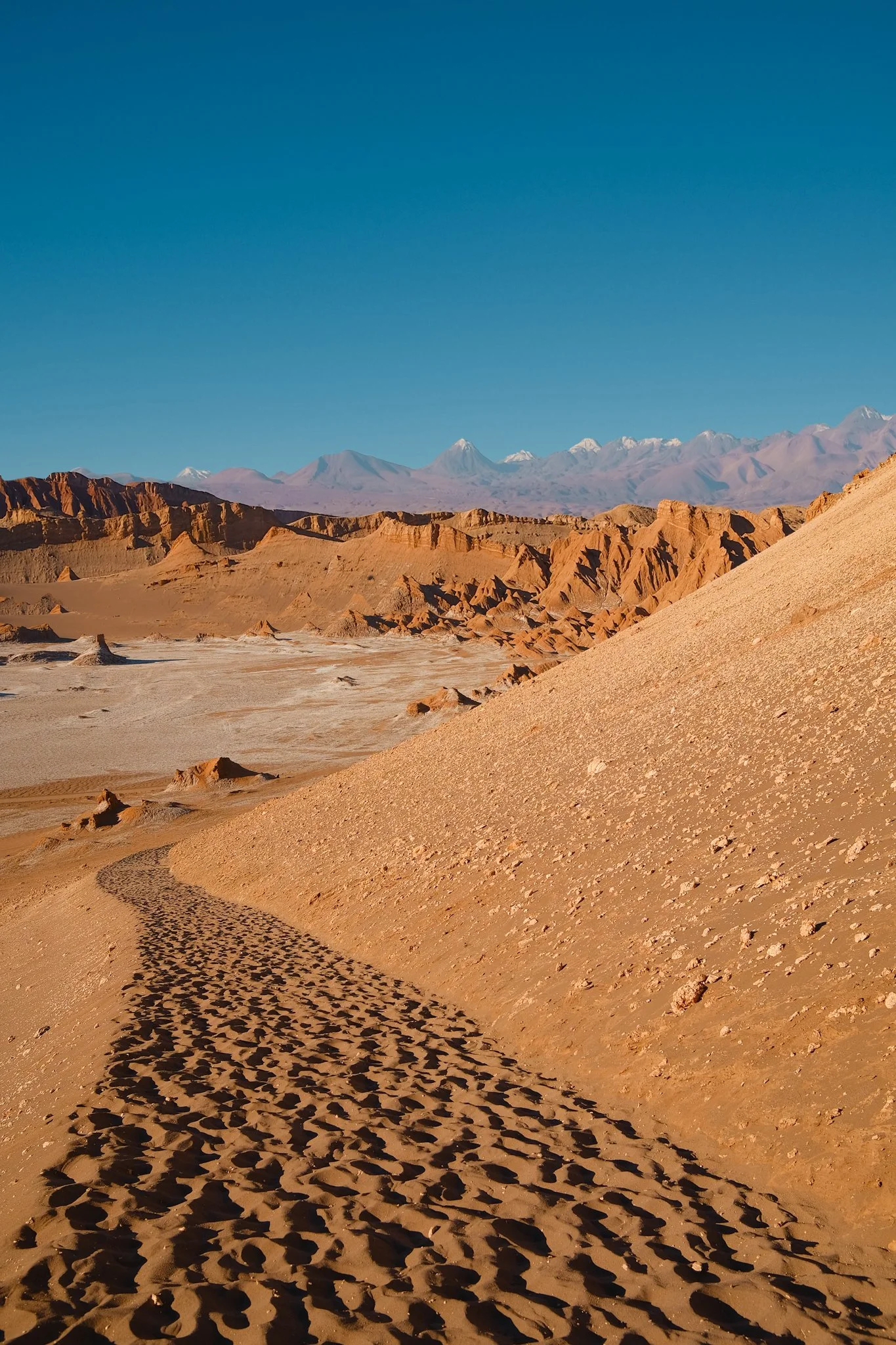
1. Valle de la Luna (Moon Valley)
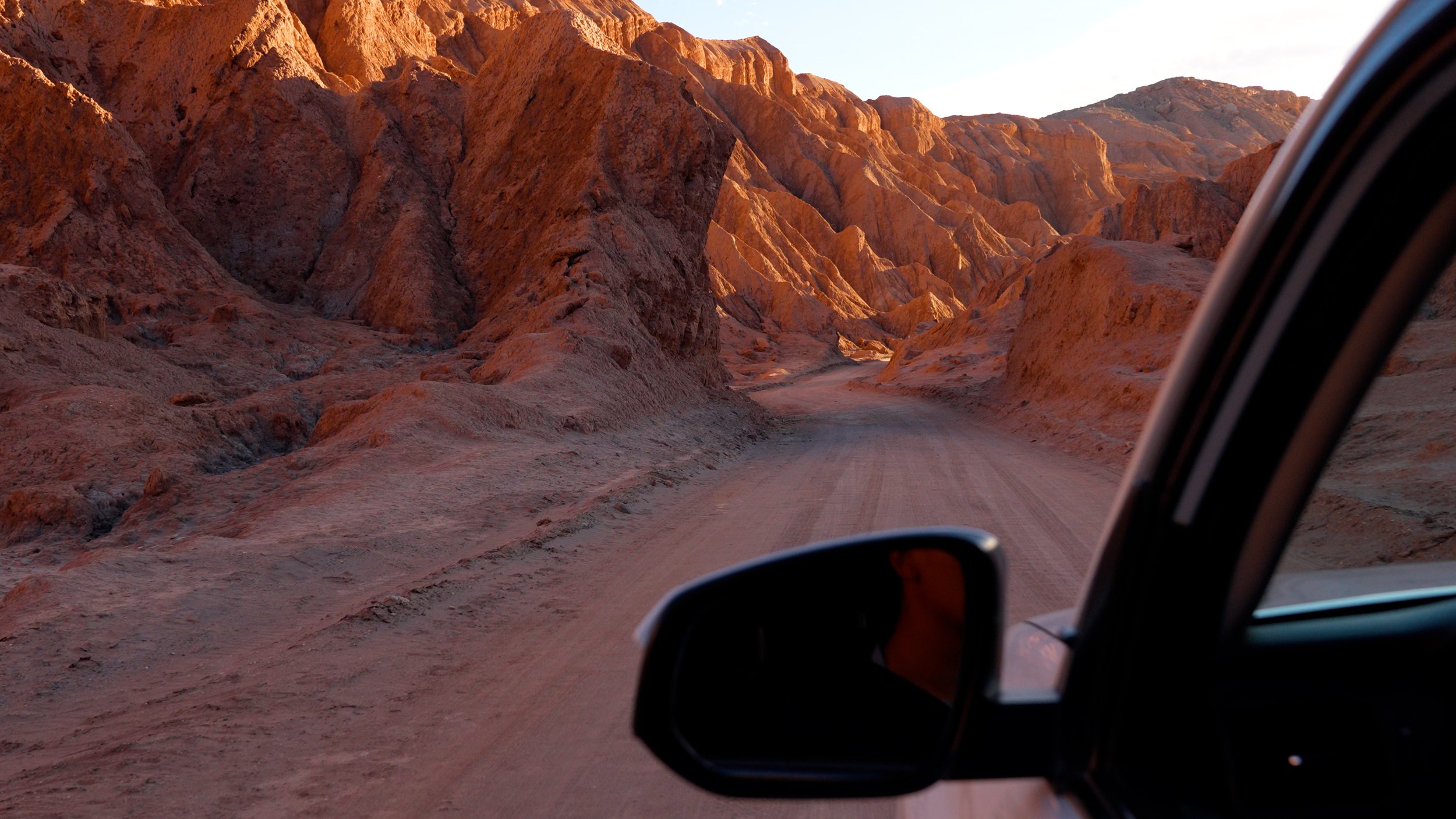
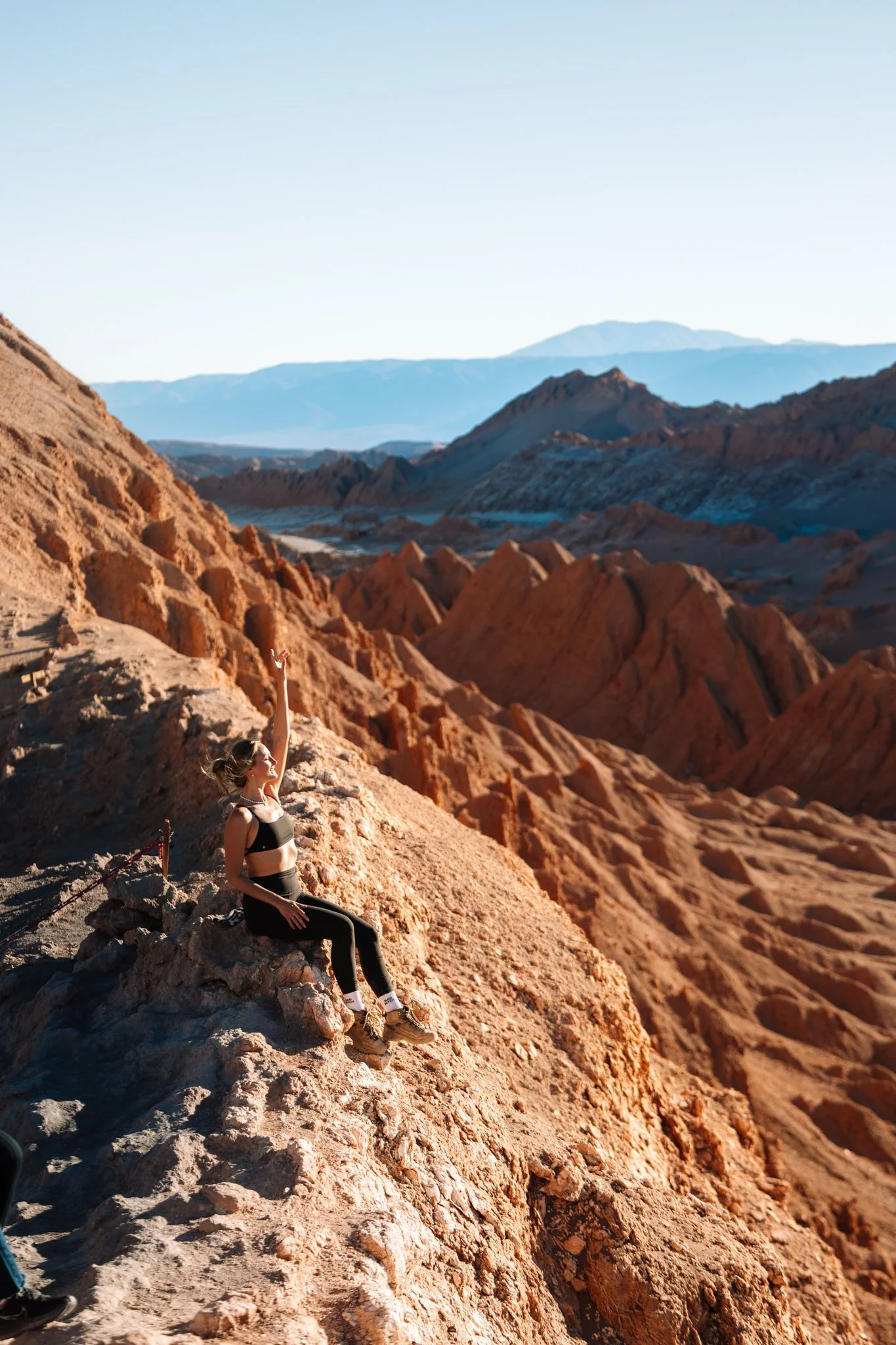
The Mars-like terrain here is the Atacama at its most cinematic: giant dunes, wind-carved amphitheaters, and the iconic Las Tres Marias rock formations. The catch is that it is heavily regulated and packed at sunset. If you can, go at sunrise before the tour buses arrive, when you get the same wind-sculpted ridges with almost nobody in frame. If you would rather do the classic guided sunset with a cocktail stop, this is the tour I would book.
2. Float in Cejar Lagoon
Cejar is a hypersaline lagoon where the salt content is so high you float like a cork. The experience is tightly scheduled, you get about 18 minutes in the water, but the volcanic peaks on the horizon make it worth it. Bring water shoes and leave the good camera on shore, because the salt is brutal on gear. The same circuit usually folds in Ojos del Salar and the mirror-flat reflections of Laguna Tebenquiche, and you can book all three together here.
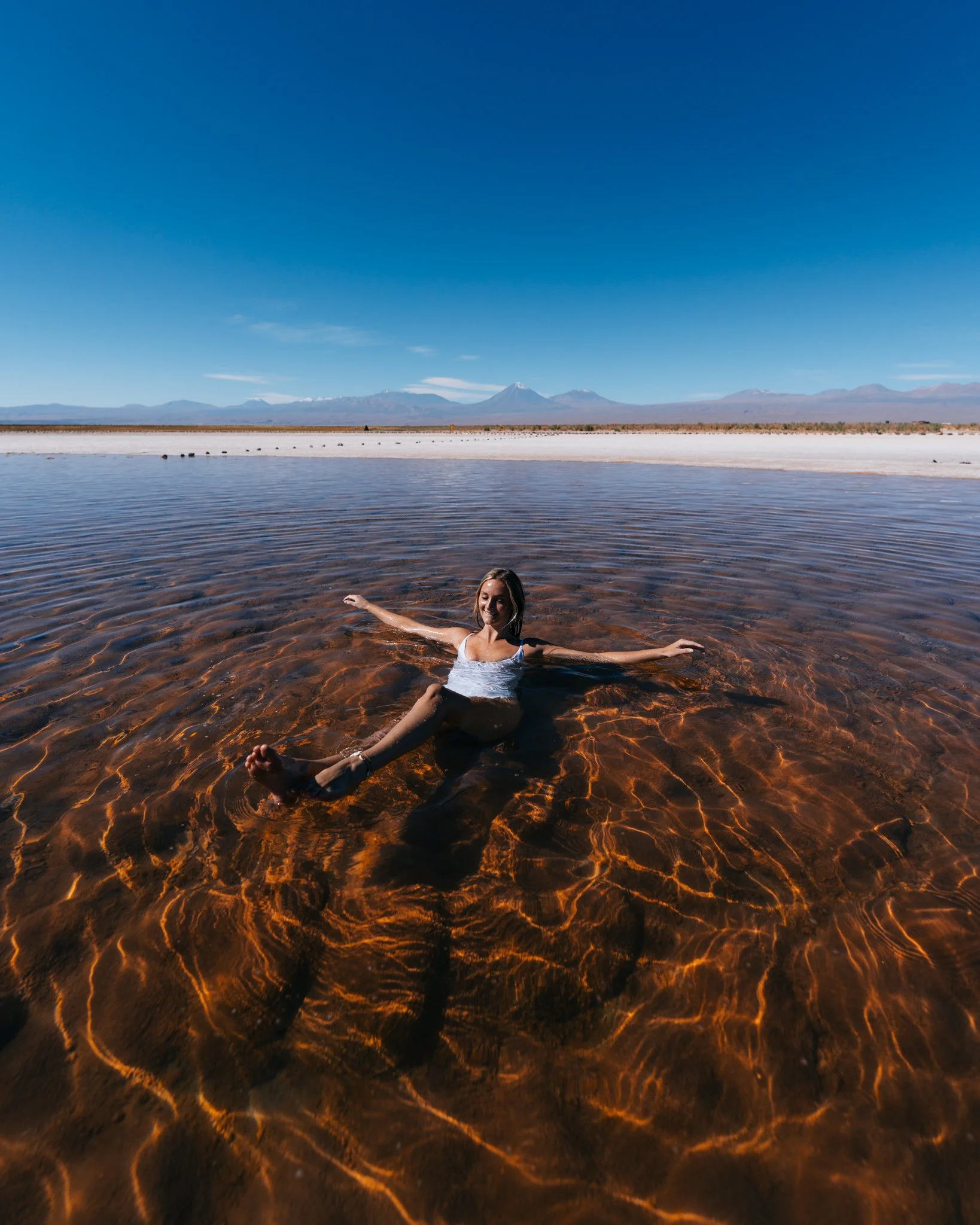
3. Catch the Reflections at Laguna Tebenquiche
Tebenquiche is where the desert turns into a mirror. On a still morning the Andes reflect so cleanly on the shallow water that the horizon disappears. This is one of the best reflection shots in the whole region, so give yourself time and shoot low to the ground.

4. El Tatio Geysers at Dawn
Full honesty: this is the one big site I did not make it to, and it is first on my list for when I go back. At 4,320m, El Tatio is the highest geyser field in the world and it performs at dawn, when over 80 geysers throw steam columns against a freezing sky. Go just before sunrise for the 6 to 7 AM peak, layer up hard because it sits well below freezing, and take the altitude seriously since it is the highest point of any Atacama excursion.
5. Piedras Rojas
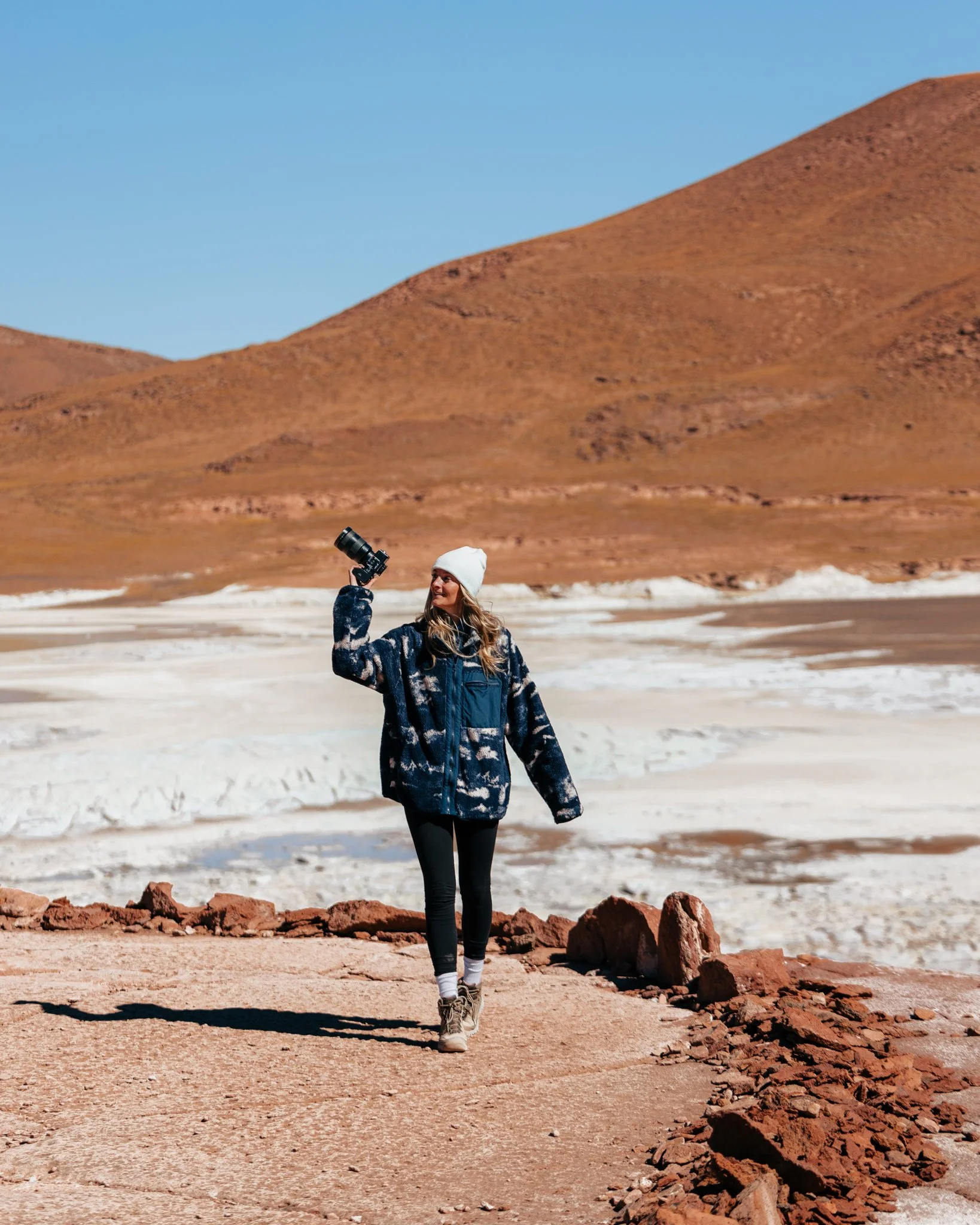
The Red Stones are exactly that: oxidized volcanic rock in a deep rust color, set against shallow turquoise lagoons and snow-capped volcanoes. You view from designated platforms with a guide, so there is no wandering, but the color contrast is unreal and photographs beautifully even in harsh midday light.
6. The Altiplanic Lagoons: Miscanti and Miniques
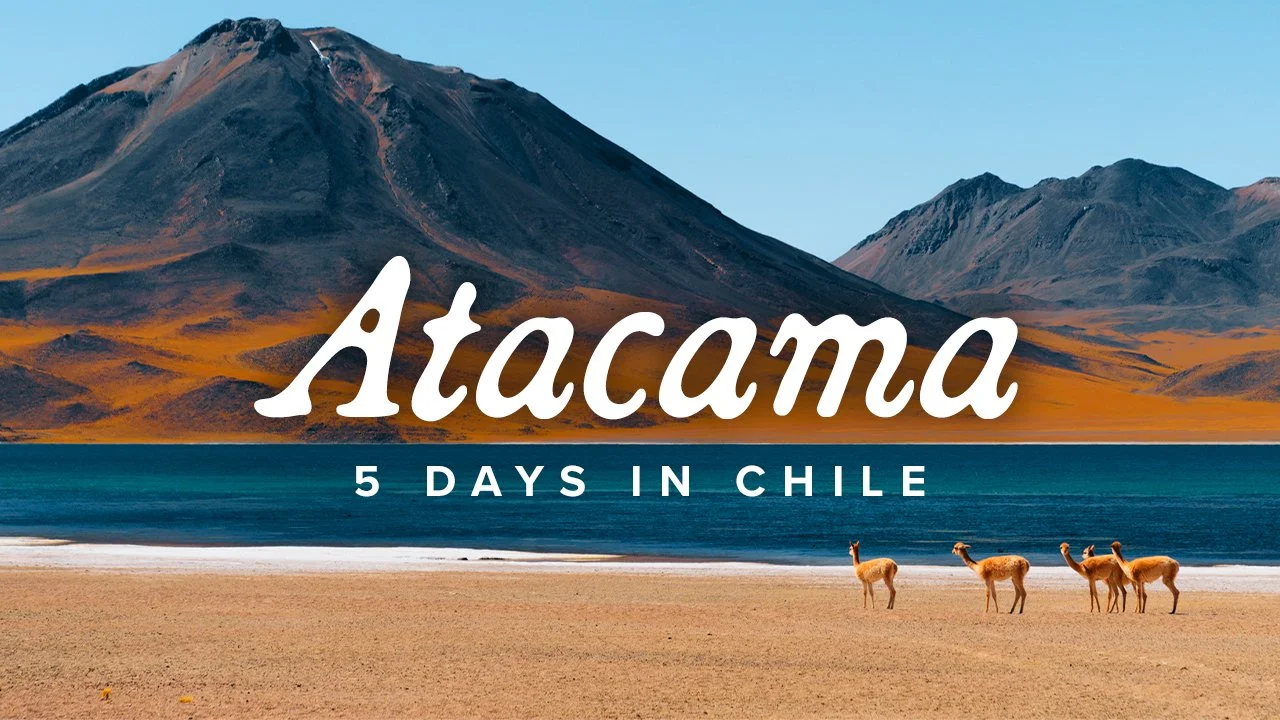
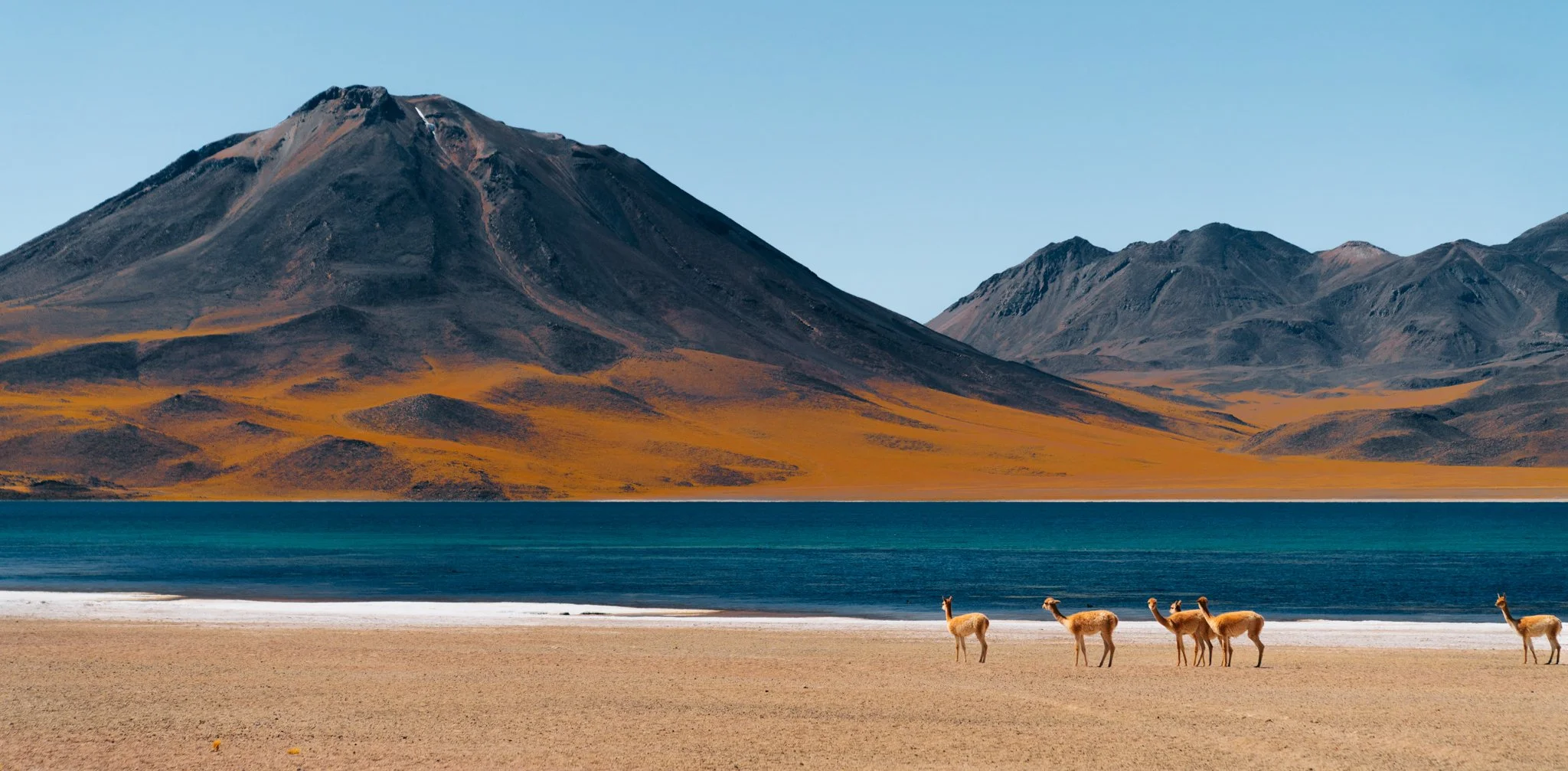
These twin high-altitude lakes glow an intense sapphire blue that almost looks fake in photos. Wild vicunas and llamas graze the golden grass around them, framed by their own volcanoes. This was my favorite light of the trip, calm, clear, and impossibly saturated. Bring a wide lens for the scale.
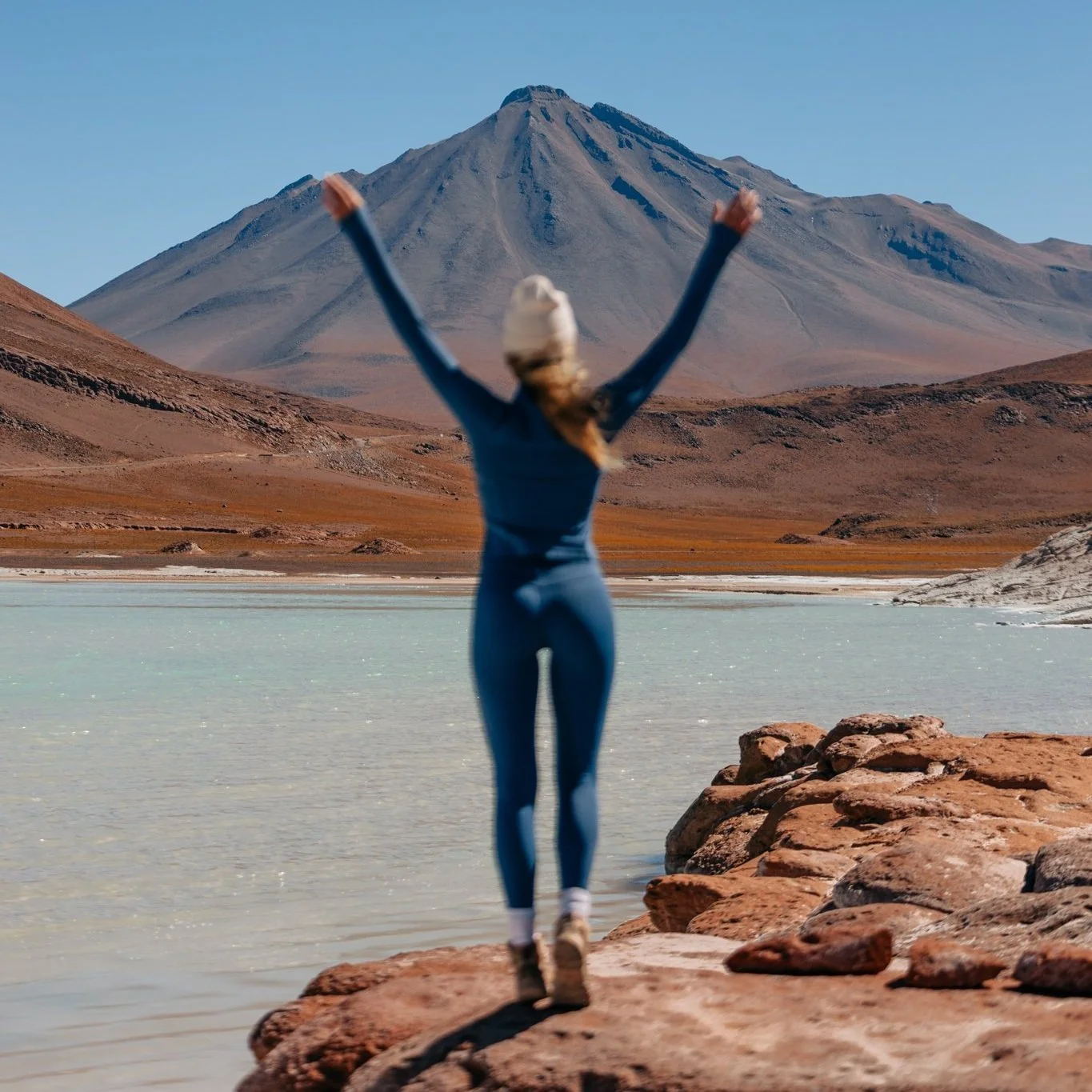
7. Flamingos at Laguna Chaxa
In the heart of the Salar de Atacama, Laguna Chaxa is where you can spot three species of flamingos feeding against a cracked salt landscape. Sightings are not guaranteed, so this is a telephoto-and-tripod stop, and the light is tricky because the birds sit far back. Worth it for the contrast of pink birds on white salt.
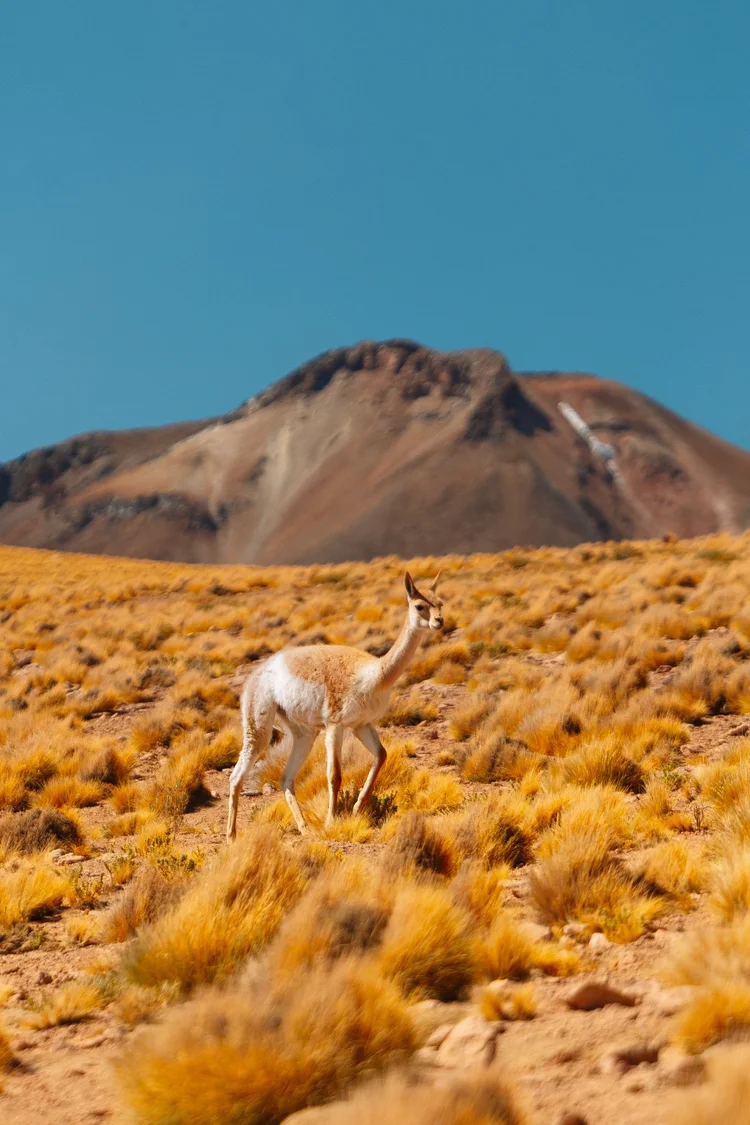
8. Laguna Baltinache, the Seven Colors Lagoon
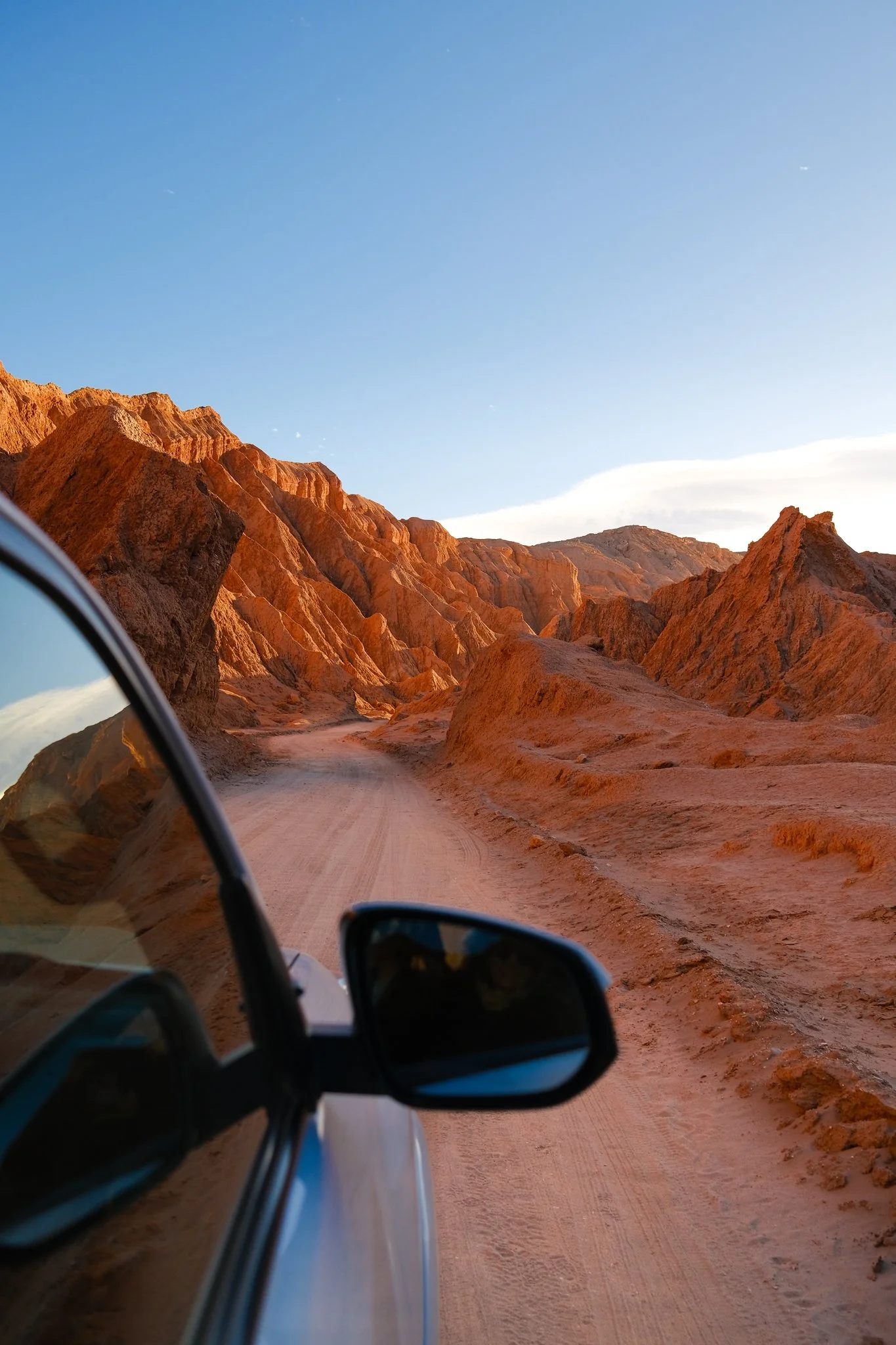
Baltinache is a string of seven hidden salt lagoons in colors from deep blue to turquoise. Honest heads-up: swimming is only allowed in one designated lagoon, the darker blue one, not the vivid turquoise pools you see all over Instagram. Arrive early to beat the tour buses, bring water shoes for the sharp salt crystals, and either self-drive it like I did or book a guided tour here.
9. Stargazing Under the Clearest Skies on Earth
The Atacama has some of the driest, clearest skies anywhere, which is why the world's major observatories are built here. A guided stargazing night is the thing I most regret not fitting in, so learn from my mistake and book one. Aim for night two or three once you have adjusted to the altitude, when professional telescopes and zero light pollution make the southern sky unreal. These astronomy tours sell out, so reserve ahead.
The One You Can Skip: Toconao
Toconao is a pretty adobe village with volcanic-rock architecture, but most tours give it 15 rushed minutes, which is just enough for a photo of the church and not much else. If your schedule is tight, this is the stop I would trade for more time at the lagoons.
What to Pack to Shoot the Atacama
Salt air, volcanic dust, and sub-zero dawns will stress-test your gear. I shot the whole trip on a wide and a fast prime, kept everything sealed between stops, and never traveled without extra cards. Here is the exact camera bag I carried:
For the full breakdown of how I pack it, see my complete camera gear list. And if desert landscapes are your thing, my Namibia road trip guide is the natural next read.
Frequently Asked Questions
What is the number one thing to do in the Atacama Desert?
If I had to pick one, the altiplanic lagoons (Miscanti and Miniques) for the color, with stargazing a very close second. Valle de la Luna is the most famous, but it is also the most crowded.
How many days do you need to see the main sites?
Five days covers the highlights without rushing, and seven gives you room to revisit places at better light and add a stargazing night. My 7-day itinerary walks through exactly how to space them out.
Do you need to book Atacama tours in advance?
Yes for the popular ones, especially stargazing and anything over a holiday weekend. Many sites also cap daily visitors, so booking ahead protects your spot and your light.