Atacama Desert Itinerary: 7 Days in San Pedro + Map

There’s a reason the Atacama Desert is often called the driest place on Earth, its skies are so clear that they’ve become a global hub for astrotourism. But dryness doesn't mean lifeless. The Atacama is vibrant, surreal, and almost otherworldly—a tapestry of volcanic peaks, salt flats, flamingo-filled lagoons, and boiling geysers that demand to be explored lens-first.
Thanks to a partnership with TripScout and the @Hotels network, I had the chance to document a five-day journey through this remarkable region. Another big thanks to Gato Andino, the tour group who the majority of our tours were held with on our trip. Below is a comprehensive guide and travelogue, with photography tips, distances, and practical notes, so you can plan your own adventure through northern Chile’s most mesmerizing terrain.


How to Get to San Pedro de Atacama
Fly into Calama Airport (CJC) — it's the closest airport, about 1.5 hours from San Pedro. Most connections come through Santiago (SCL), with LATAM and Sky Airline both running regular routes. Budget around 1.5–2 hours for the transfer by shuttle or rental car. Most hotels can arrange pickup, or you can book a shared shuttle in advance through your accommodation. I broke the whole arrival down, including whether the rental car is worth it, in my guide to getting to San Pedro de Atacama.
Day 1: Getting to San Pedro de Atacama — Flights, Transfer & Where to Stay
Transfer: ~1.5 hour drive / 100 km from Calama Airport to San Pedro de Atacama
Hotel:Cumbres San Pedro de Atacama
The journey to the hotel offers a scenic introduction to the Atacama landscape. Upon arrival at Cumbres Hotel, we were welcomed with refreshing pisco sours - a cocktail local to Chile and the perfect start to our desert stay. The property features individual villas, each with its own private patio and natural desert-inspired finishes. The rooms incorporate local materials and textures, creating a harmonious blend with the surrounding environment. The location is great as it is just outside of the San Pedro de Atacama town area. The hotel offers a free shuttle into town between dedicated hours. If you want more options check out my Where to Stay in San Pedro de Atacama blog post.
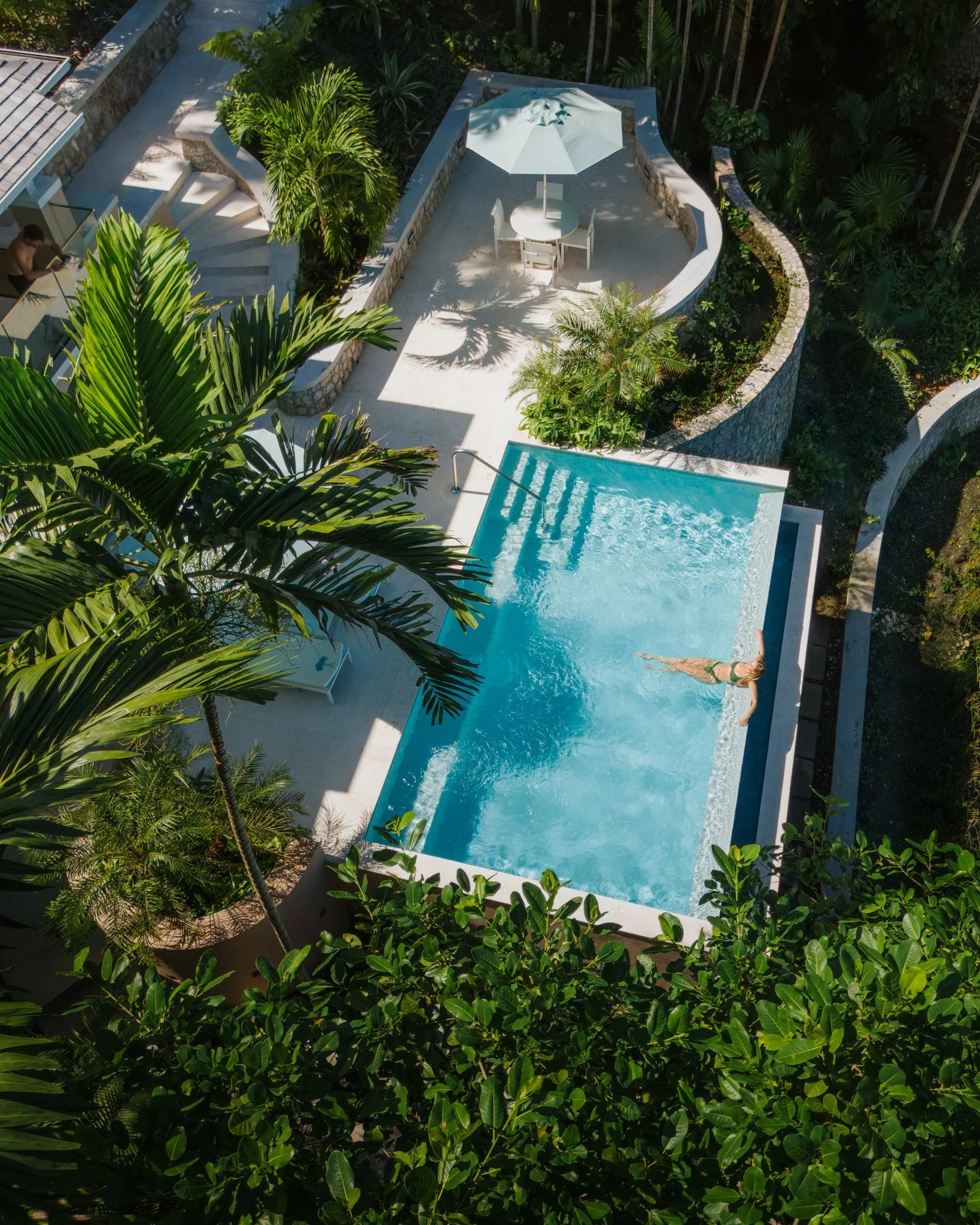
The hotel has five temperature-controlled pools, providing welcome relief from the desert heat. There is also a sauna and steam room. Their on-site restaurant serves breakfast, lunch, and dinner daily and offers an impressive menu focusing on seafood - don't miss their exceptional ceviche.

Day 2: Floating in Cejar Lagoon & the Salt Flat Sinkholes
Distance: Within 30-50 minutes from San Pedro
The first stop was Laguna Piedra in the Cejar complex, a salty marvel where visitors float effortlessly like corks. The experience is highly regulated - groups enter with guides at scheduled times and follow a single-file path to designated viewpoints. Swimming time is limited to exactly 18 minutes, during which you can experience the unique buoyancy of the mineral-rich waters. While the salt water makes photography tricky, the sight of volcanic peaks in the distance makes for a stunning backdrop. I brought my phone in but only for a few minutes, being careful to avoid any chances at splashes or drips from the salty lagoon. The tour company provides robes, and the facility has shower areas, though these can get crowded during peak times.
From there, we visited Ojos del Salar—two round, deep blue sinkholes surrounded by salt crust. We ended our tour at Laguna Tebenquiche, where mirror-like reflections of the Andes painted a scene so still it felt photoshopped. While the strict scheduling and guided format may limit creative photography opportunities, the natural beauty of these sites remains undeniable. You can get a guide here.
What Camera Gear to Bring to the Atacama Desert
The Atacama is a photographer's dream and a gear stress test in equal measure. Salt air at Cejar Lagoon, volcanic dust at Piedras Rojas, sub-zero temps before sunrise at El Tatio — your equipment will earn its keep. Here's what I brought and what I'd bring again:
I shot everything on my Sony A7IV with the 14mm f/1.8 for wide volcanic landscapes and the 35mm f/1.4 for everything else — portraits, detail shots, the flamingo lagoons. The 14mm especially earns its weight at Piedras Rojas and Laguna Miscanti where the sheer scale of the landscape demands a wide angle. Bird photographers: bring a telephoto and a tripod for the flamingo shots at Salar de Atacama — they're far back and the light is tricky. See my full camera bag breakdown here — including what I use for drone work and compact shooting. (Drone note: most national reserves in the Atacama prohibit them. I found very few legal windows the entire trip — plan accordingly.) If you want the site by site version, which light each stop needs and where the crowds will fight you, that is my Atacama Desert photography guide.

Day 3 Morning: Flamingos at Salar de Atacama & the Adobe Village of Toconao
Distance: ~1 hour drive south of San Pedro
We visited Laguna Chaxa in the heart of the Atacama Salt Flat, Chile's largest lithium-rich expanse. Unlike the smooth salt flats you might expect, the terrain here is rugged, sharp, and rocky. A single designated path winds through the park, leading to small lagoons where flamingos occasionally gather. During our visit, we observed three species of flamingos feeding against the surreal, cracked landscape, though sightings aren't guaranteed. Bird photography enthusiasts should bring a telephoto lens and ta ripod for the best shots.
Later, we stopped in Toconao, a quaint adobe village known for its volcanic rock architecture. While the local church and town square were picturesque, with lovely foliage and photo opportunities, our visit felt rushed at just 15 minutes. We had time for a quick bagged lunch on the benches outside the church, but couldn't fully explore this charming settlement. For the full list of activities in Atacama check out my 9 best Things to do in Atacama blog post.
Day 3 Afternoon: Valle de la Luna — What Nobody Tells You Before You Go
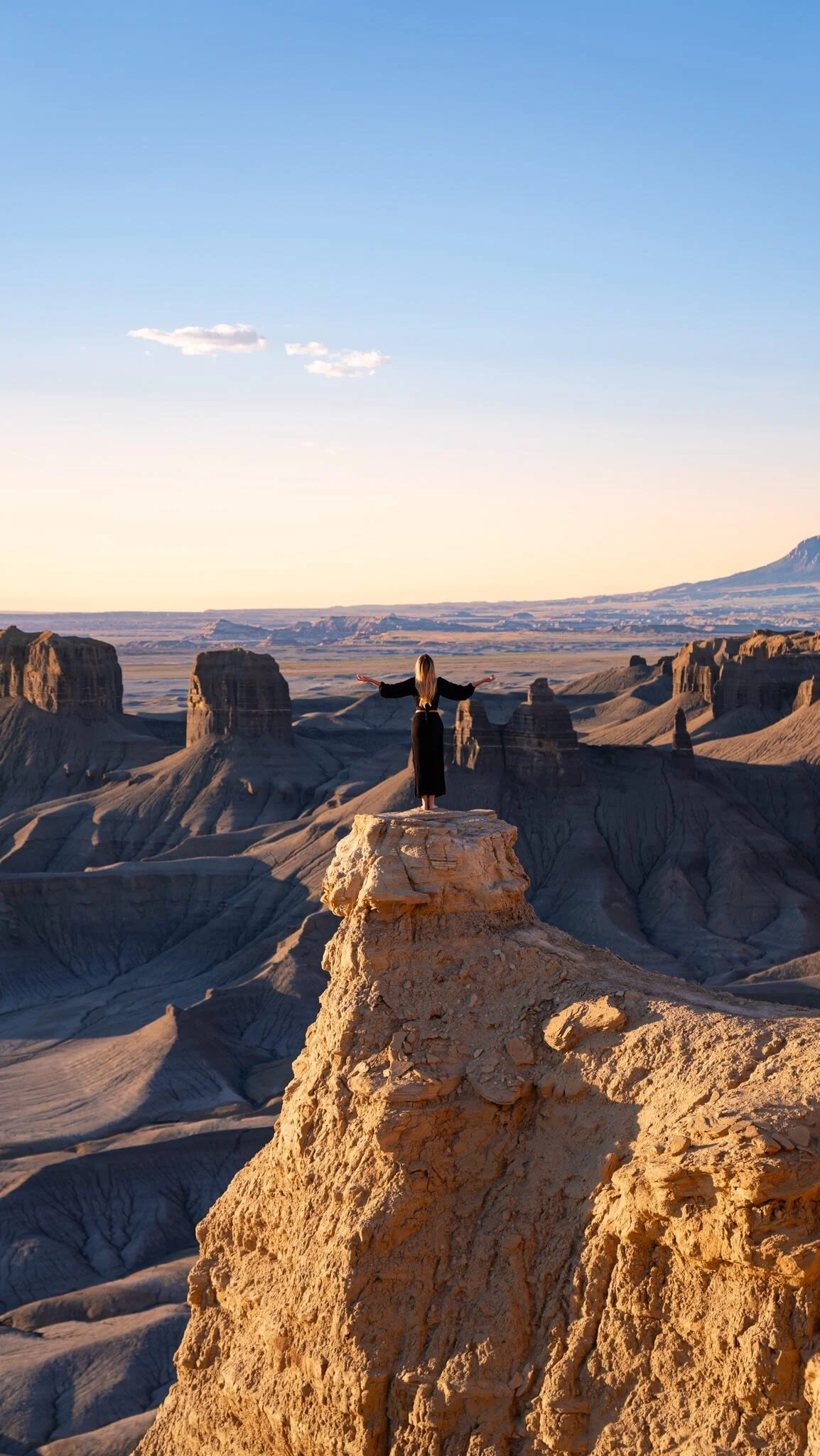
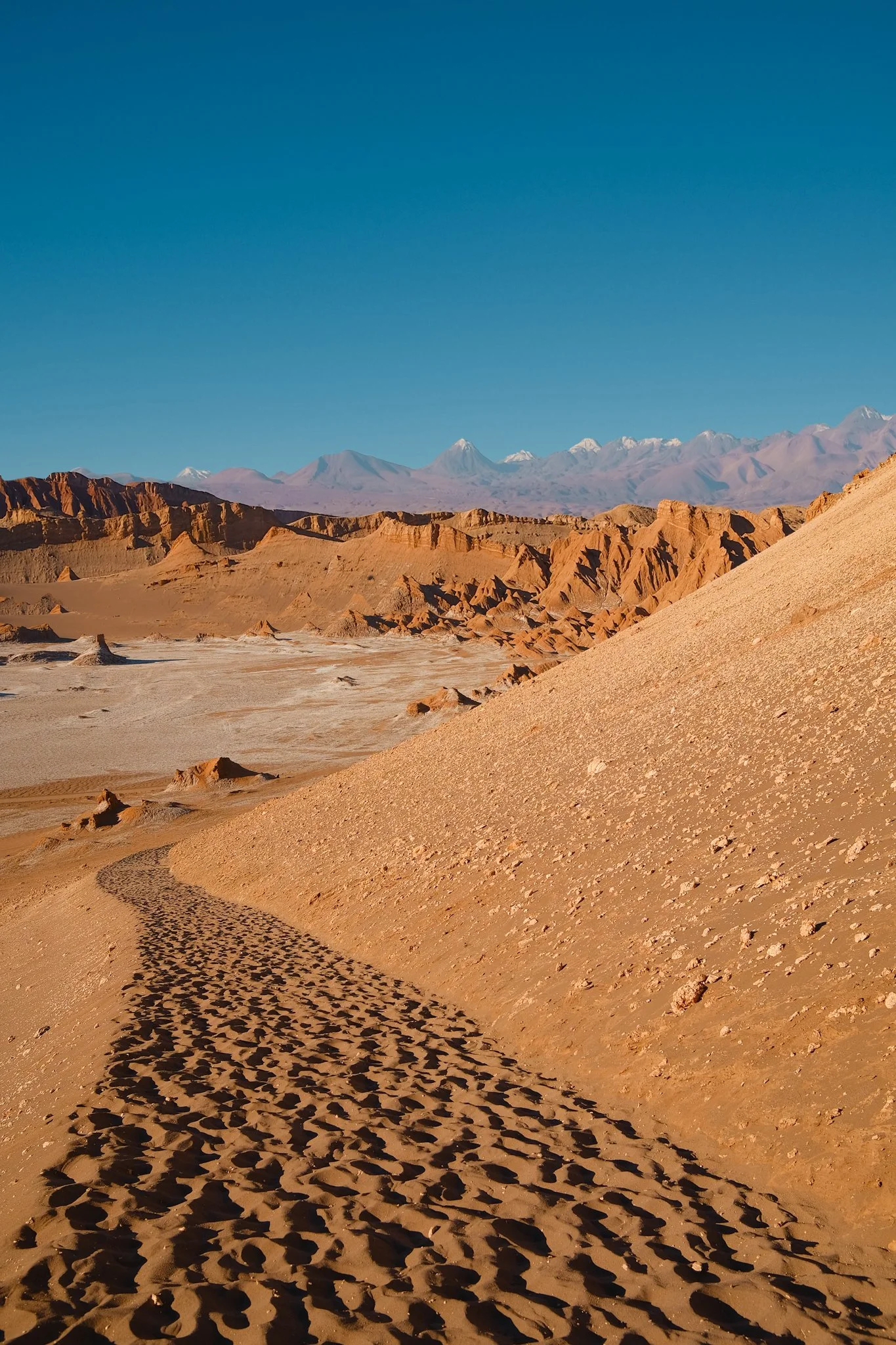
Valle de la Luna was one of our most anticipated stops, though the experience was mixed. The landscape is truly otherworldly - giant dunes, wind-carved amphitheaters, and the iconic Las Tres Marías rock formations create a Mars-like terrain that's absolutely stunning. However, visiting as part of a shared excursion had significant limitations. The park is heavily regulated, with strict rules about where visitors can go and when they must leave (before 6 PM). Our tour made brief stops at predetermined locations, passing by some incredible vantage points without stopping.
The final stop at Coyote Stone lookout (Mirador de Kari) for sunset was particularly challenging due to overwhelming crowds (we visited during Easter weekend). If you want to find the best time to visit Atacama, then check out This Blog Post. The viewpoint offers spectacular vistas of pinnacle rocks, endless dunes, and winding roads, but the experience was dampened by large tour groups and difficult crowd behavior. For photographers seeking those iconic shots, visiting at sunrise before tour groups arrive would be ideal. You can book a sunset tour with Get Your Guide (but id recommend getting a rental car instead)
My Camera Gear
Atacama Desert Stargazing — Is the Tour Worth It?
The Atacama has some of the clearest, driest skies on Earth — it's why major international observatories are built here. Stargazing tours run nightly out of San Pedro and they're one of the most underrated things you can add to this itinerary. I'd book it on night 2 or 3 once you've adjusted to altitude. Guides bring professional telescopes and walk you through the southern sky constellations — it hits different when you're standing in a desert at 2,500m with zero light pollution. Book in advance; these sell out fast.


Coyoto Stone Overlook
Day 4: Piedras Rojas & the Altiplanic Lagoons (Miscanti & Miñiques)
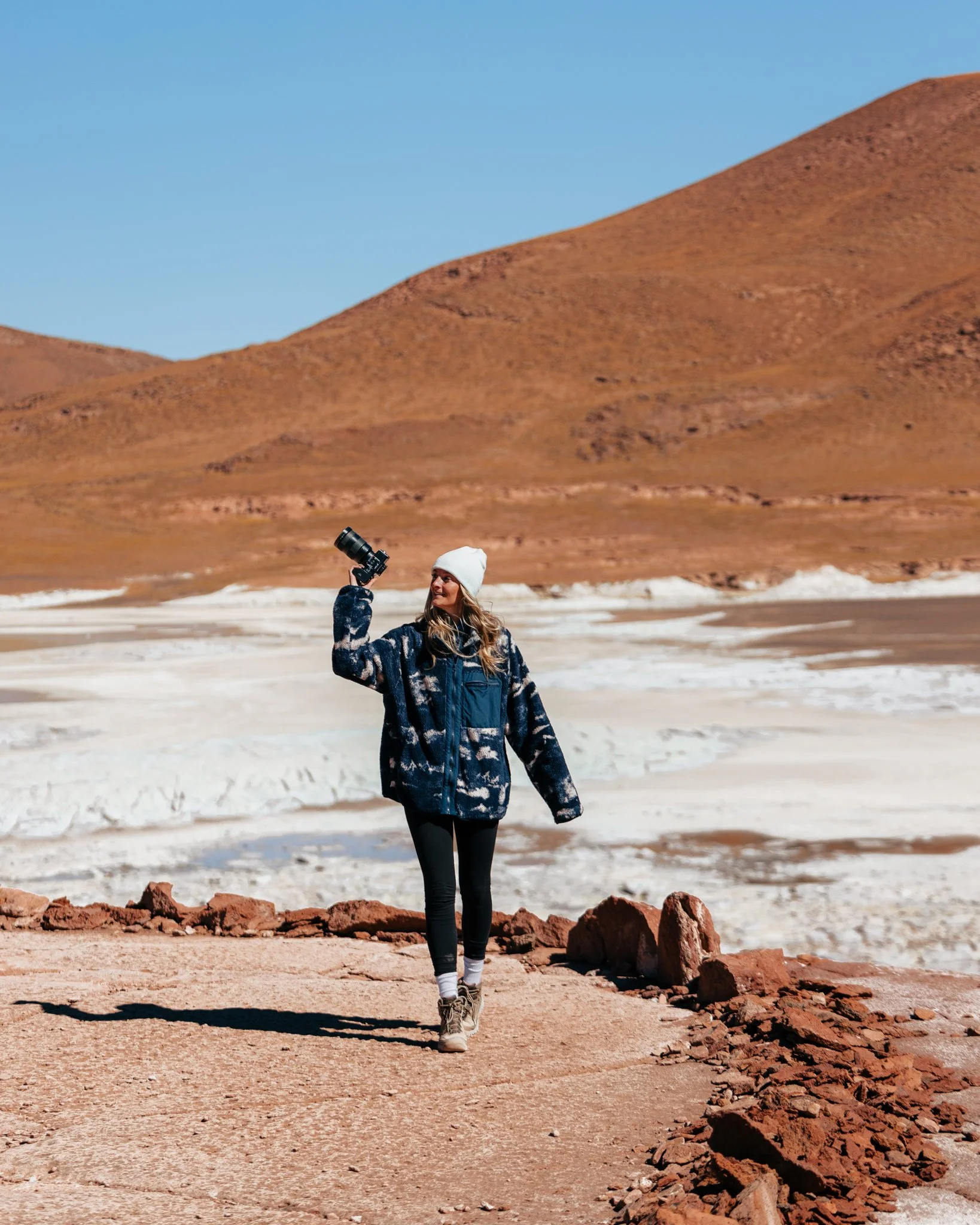
Our journey south led us to the otherworldly Piedras Rojas (Red Stones), where oxidized volcanic rock creates a striking rust-colored landscape. The site's strict conservation rules mean visitors can only view from designated platforms with licensed guides - no wandering allowed. Despite the morning crowds, the vista is breathtaking: crimson rocks contrast dramatically with shallow turquoise lagoons in the distance, all set against the backdrop of towering volcanoes.
Afternoon: Altiplanic Lagoons (Miscanti & Miñiques)
Distance: Additional 45 minutes from Piedras Rojas
After a scenic lunch break, we visited the twin jewels of the Altiplano: Laguna Miscanti and Laguna Miñiques. These separate high-altitude lakes showcase an intense sapphire blue that seems almost unreal. Wild vicuñas and llamas graze among golden paja brava grass, completing this quintessential Andean scene. The lakes, though close to each other, each have distinct characteristics and are framed by their own volcanic sentinels.

Day 5: El Tatio Geysers at Dawn — What to Expect at 4,320m
At 4,320 meters above sea level, El Tatio is the highest geyser field in the world. We arrived just before dawn to witness the spectacular sight of over 80 active geysers releasing plumes of steam into the frigid morning air. The contrast between the scalding water and the sub-zero temperatures creates vapor columns against the sky.
The geothermal field is most active between 6:00-7:00 AM, when the morning's first light illuminates the steam columns. Our guide led us along designated wooden walkways, explaining the geological processes behind these natural wonders while ensuring we maintained a safe distance from the boiling pools.
Safety Note: The altitude and extreme cold (-10°C/14°F) require serious preparation. Dress in multiple warm layers, wear sturdy boots, and take altitude sickness precautions before visiting.
Wildlife Encounters: Putana & Machuca Wetlands
The return journey took us through the high-altitude wetlands of Putana and Machuca, where the landscape transforms from geothermal desert to vibrant ecosystems. These areas serve as critical habitats for Andean wildlife, and we were fortunate to spot several species:
Three-species of flamingos wading through mineral-rich pools
Herds of vicuñas grazing on hardy mountain vegetation
Andean foxes prowling along the wetland edges
Various highland birds including Andean geese and mountain caracaras
Day 6: Laguna Baltinache — The Seven Colors Lagoon (What They Don't Show in Photos)
Pickup: 05:00–05:40 | Self-drive or Tour
Distance: ~90 km / 1.5-hour drive from San Pedro
Known for its stunning salt lagoons, Baltinache offers a unique geological spectacle formed by ancient salt deposits and mineral-rich waters. The site features seven lagoons of varying colors, from deep blue to turquoise, created by different mineral concentrations and microorganisms. Note that swimming is only permitted in one designated lagoon (the darker blue one) - not the vibrant turquoise pools you might see in photos. You can get a group tour here.
Essential Information
Entry fee is 15,000 CLP per person - card payment only (contrary to older online information stating cash only)
Arrive early to avoid tour bus crowds and long ticket queues, especially between 10 AM - 2 PM
There are 7 lagoons total, each with unique mineral compositions
Bring water shoes - the salt crystals around the swimming area can be sharp
The geological formation dates back millions of years when this area was an ancient seabed
Day 7: Departure from San Pedro de Atacama
Transfer: 15:00 Pickup → 18:19 LA373 Flight from Calama
We wrapped up our stay at Cumbres San Pedro, which provided the perfect base for high desert exploration. With a memory card full of red rocks, salt reflections, and celestial skies, it was time to head home.
Restaurants
During our stay in San Pedro de Atacama, we had the chance to dine at two memorable spots:
Cafe Adobe is a must-visit for its extensive drink menu and incredibly fresh ceviche. A highlight is their Pisco Sour Raeke, a creative twist on the classic local drink. We ordered the salmon ceviche prepared in the Peruvian style, which was exceptionally fresh and flavorful—possibly the best I've ever had. I also tried a local dish featuring seafood cooked in a savory, bubbling broth. It was rich and flavorful, and diners can customize the spice level. I chose medium spice, which was quite mild, but the staff kindly provided chili flakes and other seasonings to adjust to taste.
The Franchuteria is a renowned local café with a French chef known for crafting a small but exceptional menu. Their specialties include massive baguette sandwiches with a variety of toppings and an array of delicious pastries, from croissants to éclairs. I even picked up a large jar of local honey during our visit. The coffee drinks here are also a standout, often served with up to four distinct layers of espresso, coffee, and other ingredients—a visual and flavorful treat.
Final Travel Tips
Best Time to Visit: March to May for clearer skies and fewer tourists.
Avoid: Easter Weekend as it was extremely busy when we went.
Connectivity: Wi-Fi is spotty in the desert—download maps and Google Translate offline.
Packing Essentials: Sunscreen, portable charger, refillable water bottle, layers for drastic day-to-night temps, and plenty of SD cards.
Drones: Drones are not allowed in most national reserves or parks. I found very few places to legally fly in this region.
More Than a Desert
The Atacama is a place of contradictions—arid yet teeming with life, ancient yet cosmic, raw yet meditative. If you're a photographer, nature lover, or someone who feels most alive in extreme landscapes, this region is your muse.
Start planning your own journey through Chile’s high desert at chile.travel and follow along on my full visual story over at @karlieplace and @tripscout.
Restaurants in San Pedro de Atacama Worth the Walk
Café Adobe — go for the Pisco Sour Raeke and order the salmon ceviche. It's Peruvian-style, insanely fresh, and the best I had the entire trip. Extensive drink menu, great vibe for a first night in town.
La Franchutería — French chef, small menu, massive baguette sandwiches and pastries that are completely out of place in the middle of the Atacama (in the best way). The coffee is layered and intentional. I grabbed a jar of local honey on the way out. Go here for breakfast or lunch.
Atacama Desert Packing List & Practical Tips
Best time to visit: March to May for clearest skies and thinner crowds. Avoid Easter weekend — it was genuinely overwhelming when we went.
Altitude: San Pedro sits at ~2,400m; El Tatio is at 4,320m. Give yourself a day to acclimatize before doing high-altitude excursions. Drink water constantly.
Layers are non-negotiable: Days hit 25°C+, pre-dawn El Tatio is -10°C. You'll wear all of it.
Connectivity: Wi-Fi is unreliable. Download Maps.me, Google Translate, and your hotel confirmation offline before you land in Calama.
Cash vs card: San Pedro is increasingly card-friendly, but carry some Chilean pesos for smaller spots and markets. Laguna Baltinache entry (15,000 CLP) is card only.
SD cards: Bring more than you think you need. The light here is extraordinary and you will shoot more than you expect.
Frequently Asked Questions: Atacama Desert
Is the Atacama Desert worth visiting?
Yes — it's one of the most visually distinct places I've ever been. The combination of salt flats, volcanic peaks, flamingo lagoons, high-altitude geysers, and some of the best night skies on Earth makes it genuinely unlike anywhere else. It's also more logistically manageable than people expect.
How many days do you need in the Atacama Desert?
Five days is a solid minimum to cover the main sites without feeling rushed. Seven days gives you room to breathe, revisit places at different light, and add a stargazing night. We did seven and it felt exactly right.
What is the best time to visit the Atacama Desert?
March through May is the sweet spot — clearer skies, cooler temperatures, and noticeably fewer tour groups than peak summer. Avoid major Chilean holidays (especially Easter) if crowds are a concern.
Can you rent a car in San Pedro de Atacama?
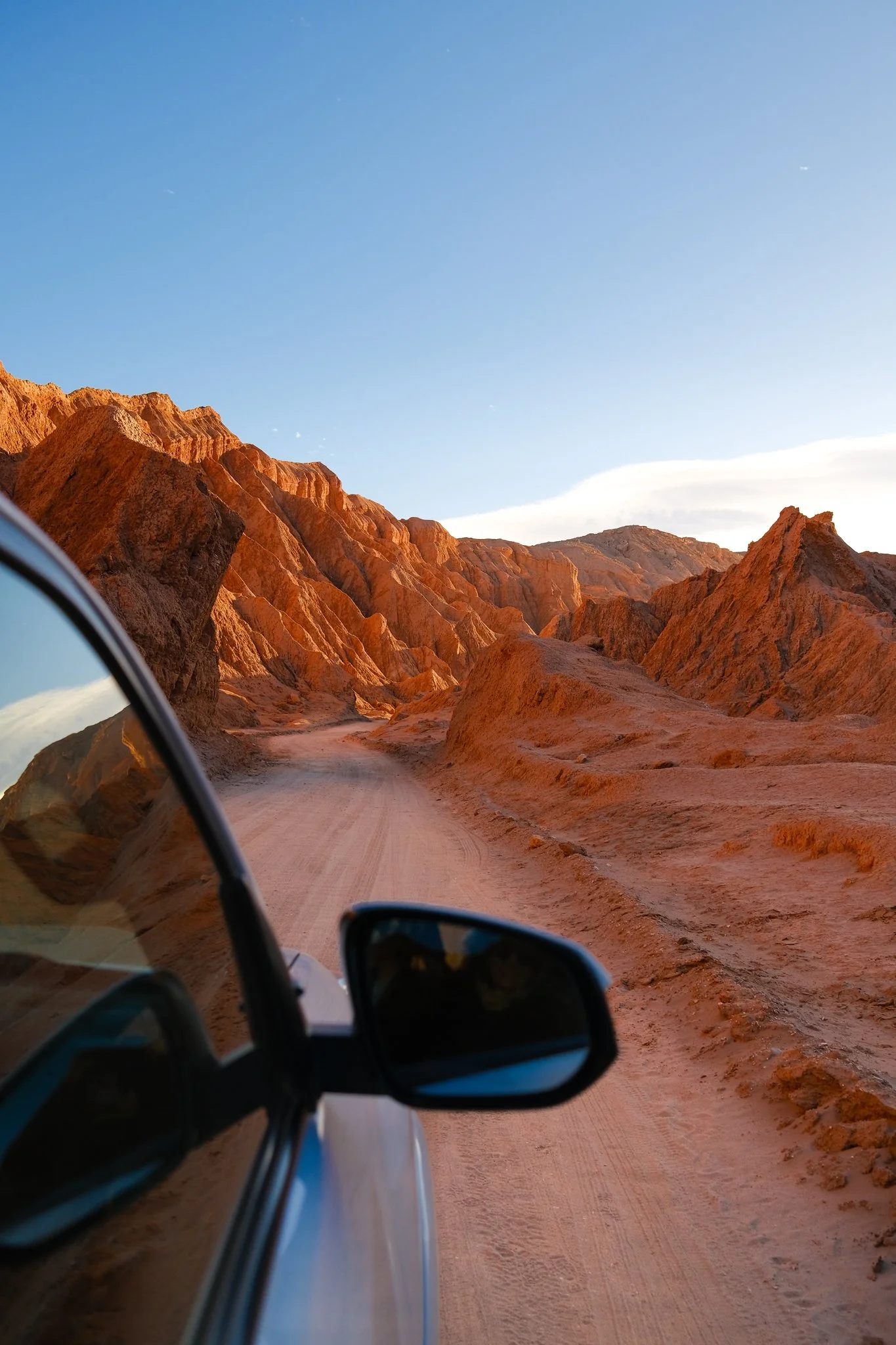
Yes, and I'd strongly recommend it for at least one or two days. Some sites like Valle de la Luna and Piedras Rojas can be done independently, which gives you sunrise access before tour buses arrive and the freedom to linger. Pick up your rental in Calama where options are better.
If you want to edit your Atacama shots with the warm, dusty tones you see in my photos — my Lightroom presets are built for exactly this kind of natural light and extreme landscape. And if you want to learn how I approach a shoot in a new destination from scratch, that's what Shadow Me is — come learn with me.
Follow the full visual story at @karlieplace and check out more of my destination guides on the blog — including my Namibia road trip if extreme landscapes are your thing. And if you are packing for this trip right now, start with my Atacama Desert packing list.